Get in touch with Guangzhou Toplay amusement equipment co. Company

Turnkey Project Delivery for Indoor Playground Equipment
Toplay coordinates the indoor playground design, custom build, dispatch, installation support and documented delivery within a clearly defined project delivery scope. You’ll maintain control of the venue approvals, local site work and operating decisions; a central project team coordinates the equipment package from design to support.
- Quotation within 3 business days after a usable brief
- Production within 40 working days after final design approval
- Local-crew or separately quoted technician installation route
- CAD, DWG, sketches, photos and video accepted
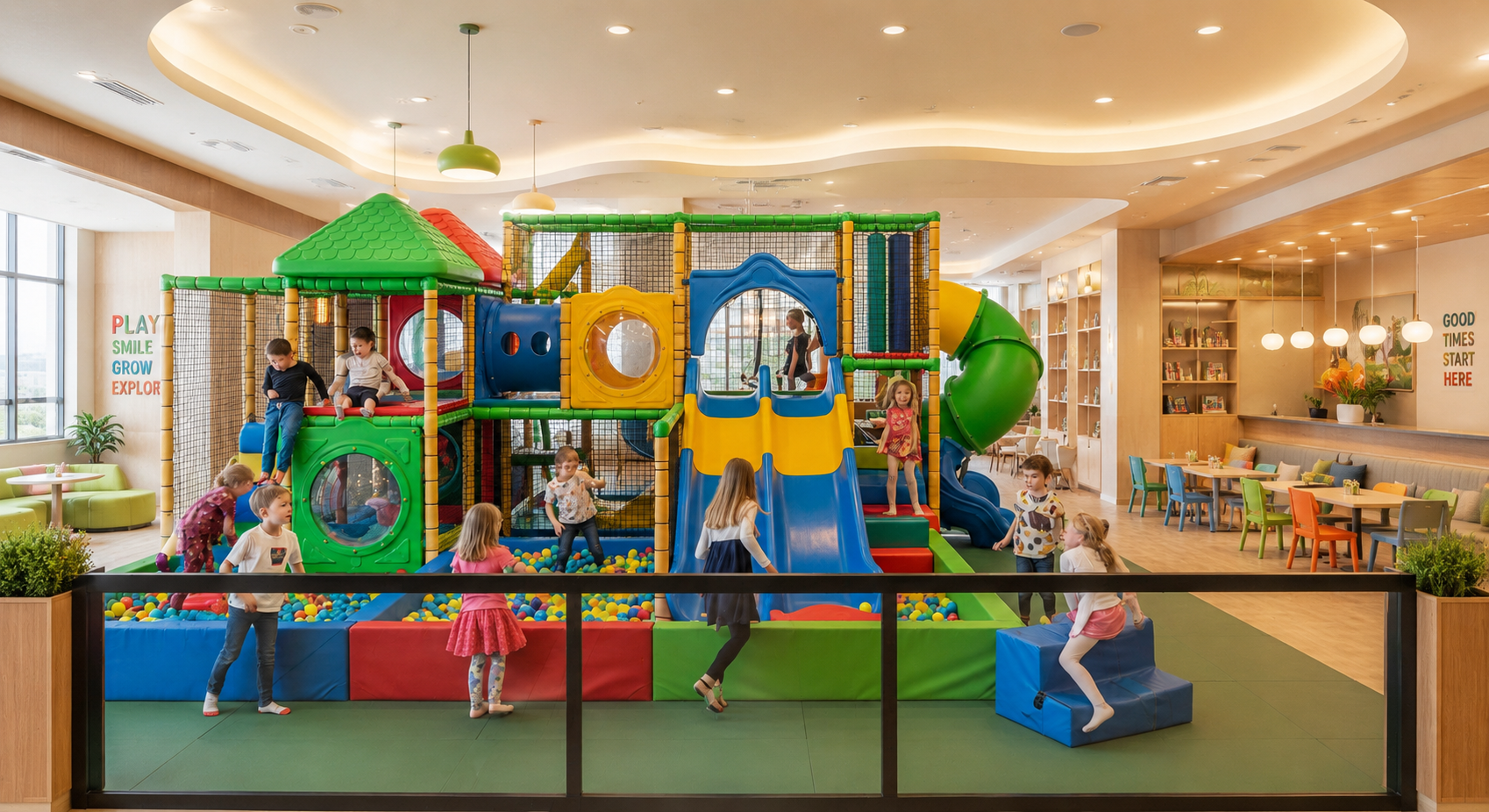
Review the Project Boundary
Define the layout and flow of your location; based on its destination, expected age group, access and preferred installation route – the first document we provide will be a scoped overview not a generic catalogue proposal.
Commercial unit
1 complete custom playground project
Quote turnaround
Within 3 business days after a usable project brief
Production schedule
Within 40 working days after final design approval for a standard custom project
Installation routes
Local crew with remote guidance or separately quoted on-site technician support
Planning inputs
CAD or DWG plans, dimensioned sketches, site photos or video
Shipping records
Commercial invoice, packing list and bill of lading; certificate of origin when required
Turnkey Indoor Playground Project Scope
Turnkey project delivery in this service means an integrated equipment-project route with a single point of contact, clear from brief to installation support and including project handover with agreed responsibilities, without implicitly assuming engagement for real estate functions, construction work or operations management functions of any type.
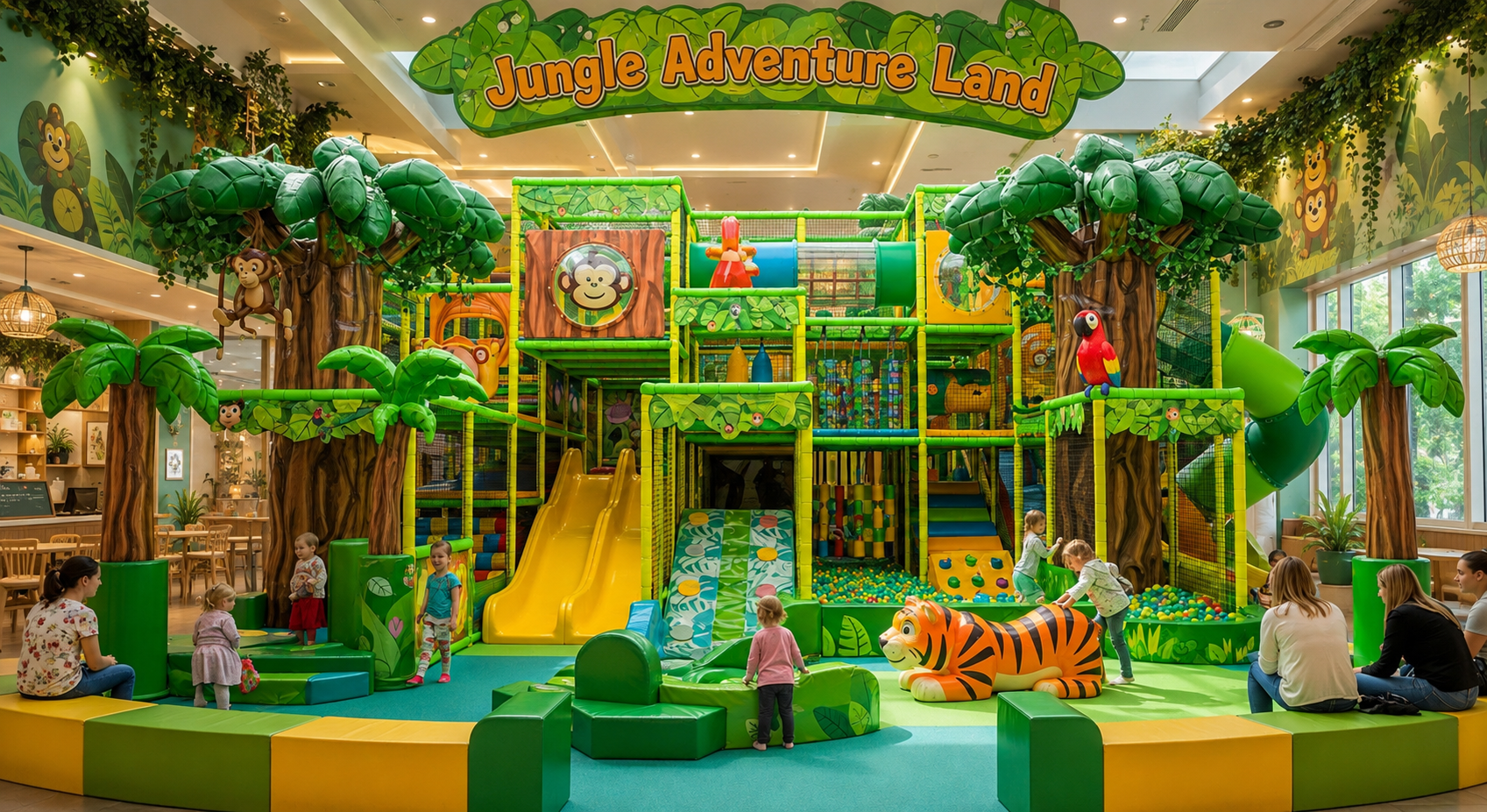
Included in the core route
- Usable-brief review and project clarification
- Indoor playground design and equipment configuration
- Written quotation and project scope freeze
- Custom equipment manufacturing coordination
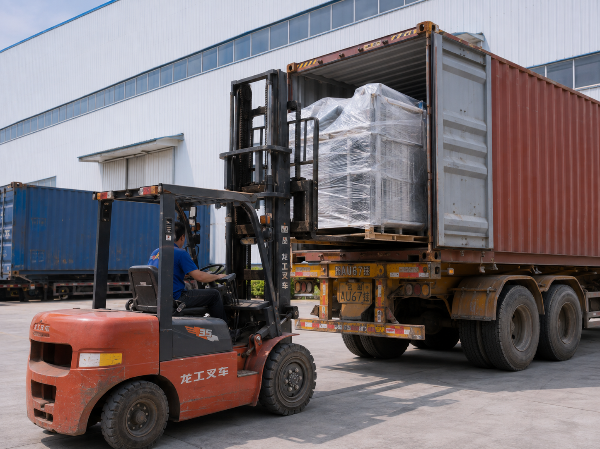
- Packing, shipping-document and installation-route coordination
- Agreed handover records and online support entry
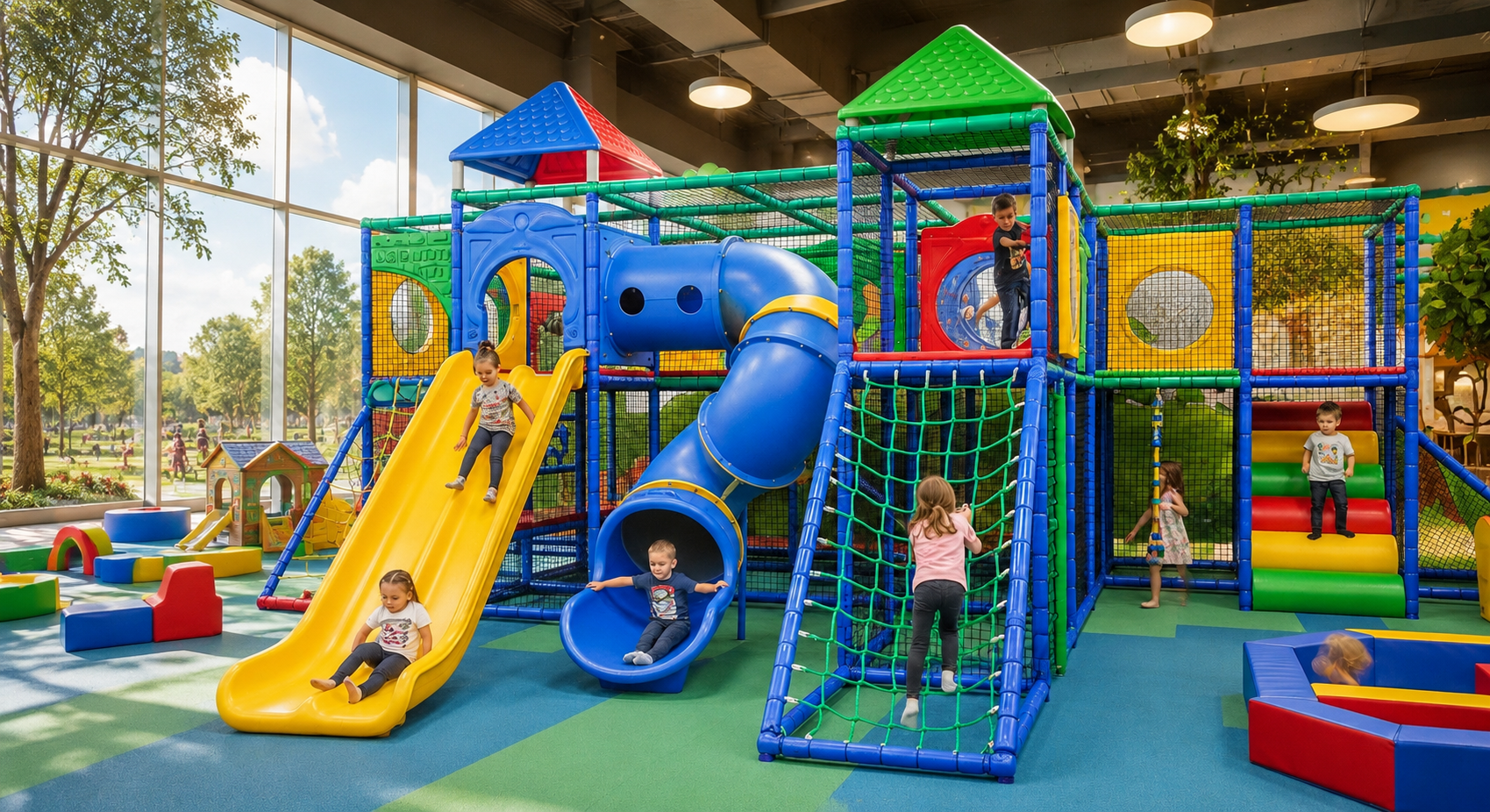
Fixed separately in the quotation
- Freight rule, named place or port and destination charges
- On-site technician travel and support scope
- Special packing, document or acceptance requirements
- Project-specific interfaces outside the equipment package
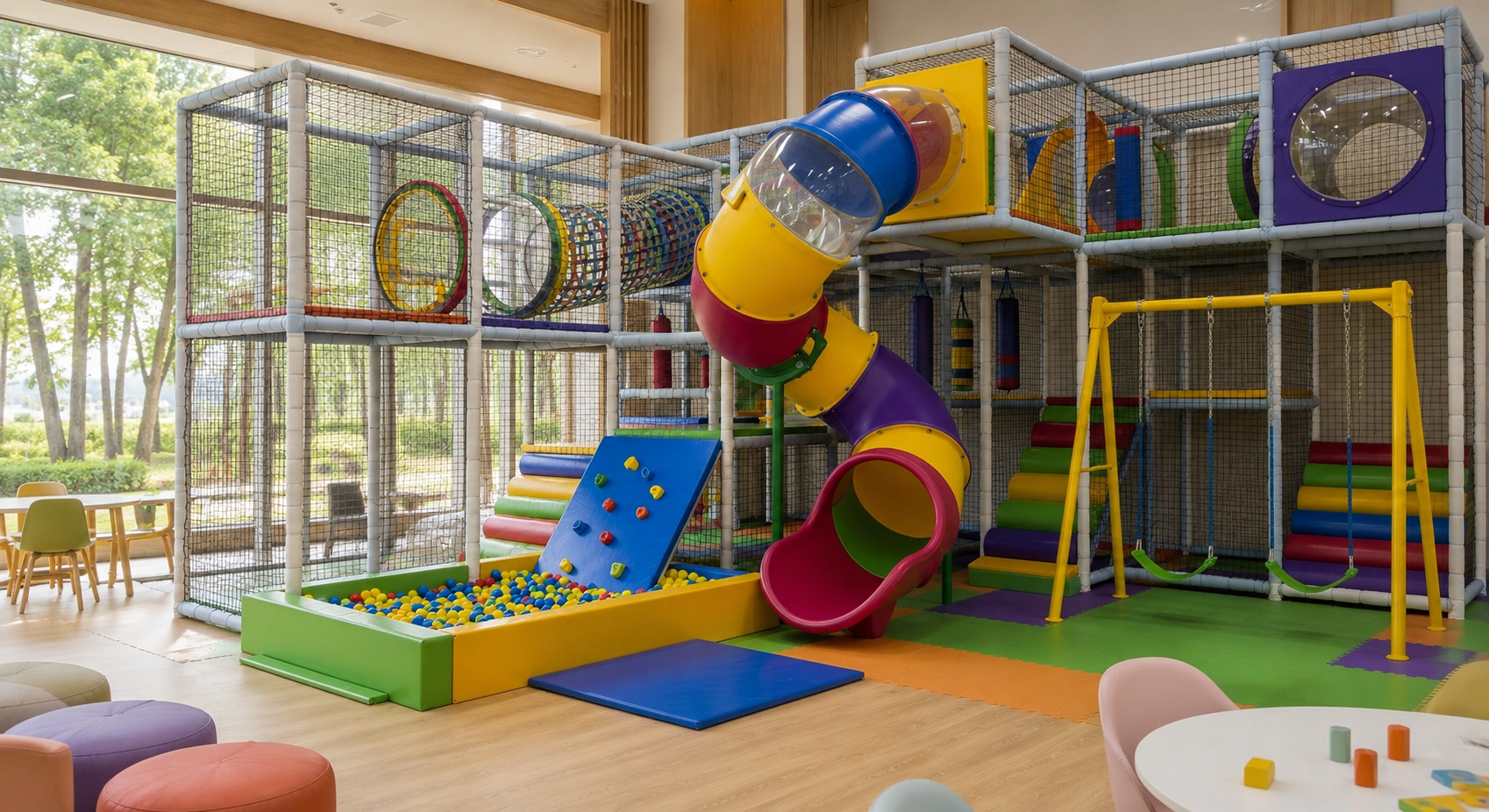
Buyer or local-party ownership
- Landlord, building, fire and local authority approvals
- Floor, ceiling, electrical, mechanical and other site works
- Local contractor, labor, unloading and access arrangements
- Insurance, staffing, cleaning and venue operations
Venue and Project Inputs
A design team can only coordinate the concept when the physical venue, operating idea and delivery constraints enter the brief together. Late discovery of access, ceiling, column or landlord constraints can force redesign after commercial assumptions have formed.
Shopping malls and mixed-use complexes
Review the land-owner authorization records, crowd flow analysis and entry-and-delivery timings, for lift access, delivery windows and loading arrangements. Provide a separate commercial indoor package isolated from base building and central circulation work.
Family entertainment centers
Plan your family entertainment center concept based on anticipated client and food flow patterns, with particular concentration upon: party or dining area interfaces, queue access flow, appropriate age zoning as it pertains to customer groups. If the brief combines a trampoline park, climbing wall or other specialist attraction, name it as a separate category interface before design approval.
Kindergartens and early-learning centers
Define spaces according to local zoning codes and age categories appropriate for early years, with emphasis on supervisor viewpoints, distinct calm and active play zones, with consideration for cleaning duties and the daily transition flow through your premises. Local child-care rules and destination review remain project inputs, not assumptions supplied by an equipment layout.
Hotels and family restaurants
Connect the play space to guest flow, food-service separation, supervision and operating hours. The preferred equipment mix should support the hospitality concept without obstructing service access or routine cleaning.
Community and recreational venues
Document shared access, age mix, programmed use, storage and the local approval owner. The play equipment package should integrate with the venue plan without claiming control of the community facility itself.
- CAD or DWG floor plan, or a dimensioned sketch
- Clear ceiling height and any varying levels
- Columns, exits, doors, windows and fixed equipment
- Floor condition and areas reserved for local work
- Loading point, corridor, lift and door access
- Country, city and intended destination venue
- Target ages and any required age separation
- Preferred activity intensity and supervision model
- Theme direction, brand cues and priority attractions
- Local approval, contractor and installation owners
We work from CAD or DWG floor plans, dimensioned sketches, and site photos or video. These inputs give the design team one controlled description of the space before the project moves into configuration and commercial review.
Accessible-route planning distinguishes play components, routes and age-separated play areas, and the applicable owner or operator remains responsible for the destination requirements. Send the destination and project category early so the brief can reserve the right questions without pretending that one safety standard governs every indoor play system.
Request a Detailed Venue Input ReviewIndoor Playground Design and Equipment Configuration
Your Custom indoor playground equipment is driven by your activities and strategy. This guides geometry and leads to manufacturer selection for equipment ranges and visual themes. We configure the playground around the usable envelope and your approval path, not by filling every open square meter with catalogue items.
Design decisions before scope freeze
Equipment families within the project
Soft play and toddler zones
Low-level play, transitions and age-appropriate activity can be configured as a distinct zone. The project brief should state who the zone serves and how it connects to supervision and cleaning routes.
Multi-level play structures
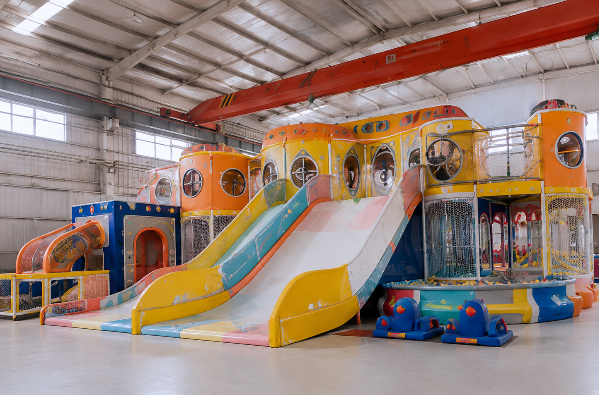
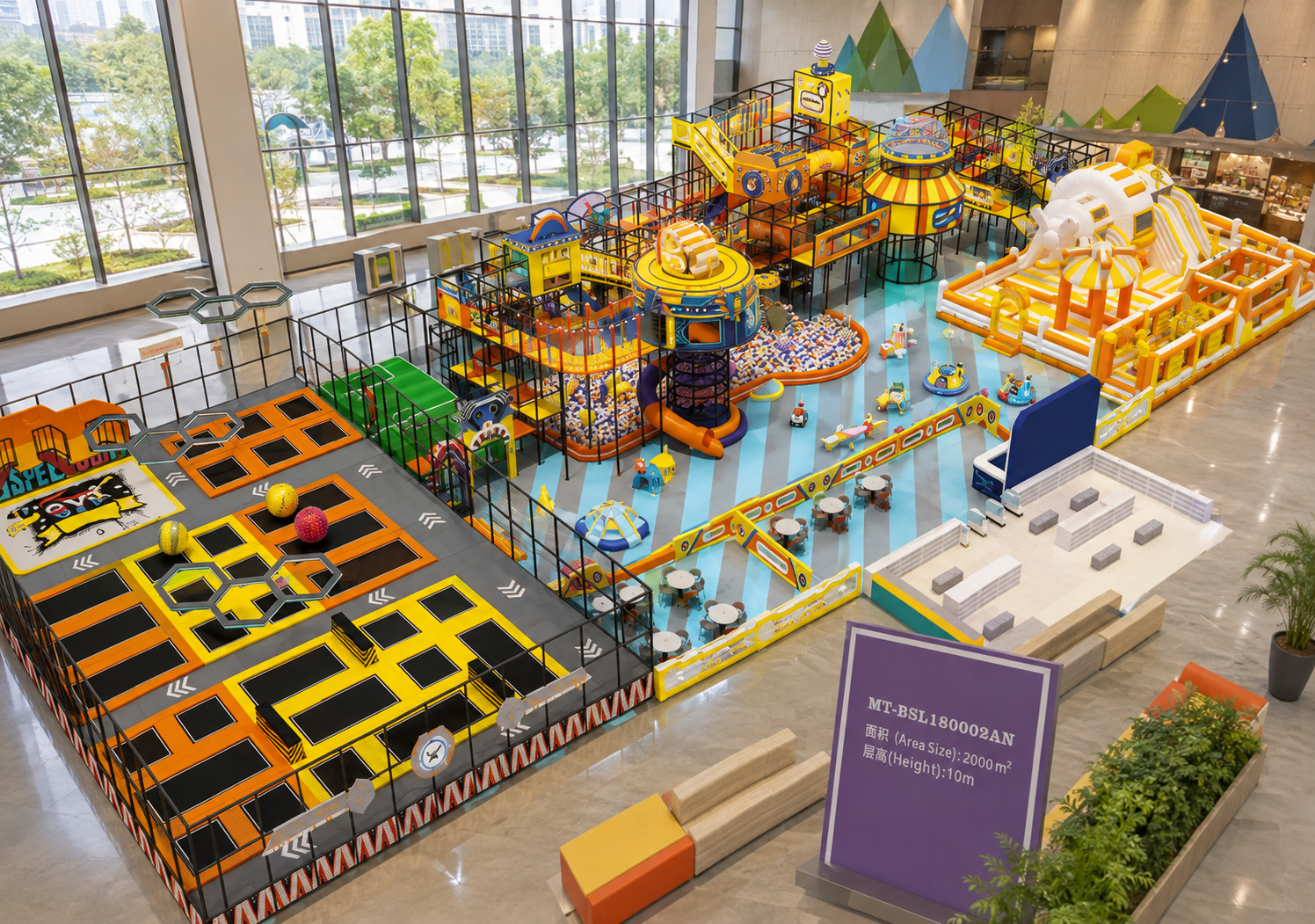
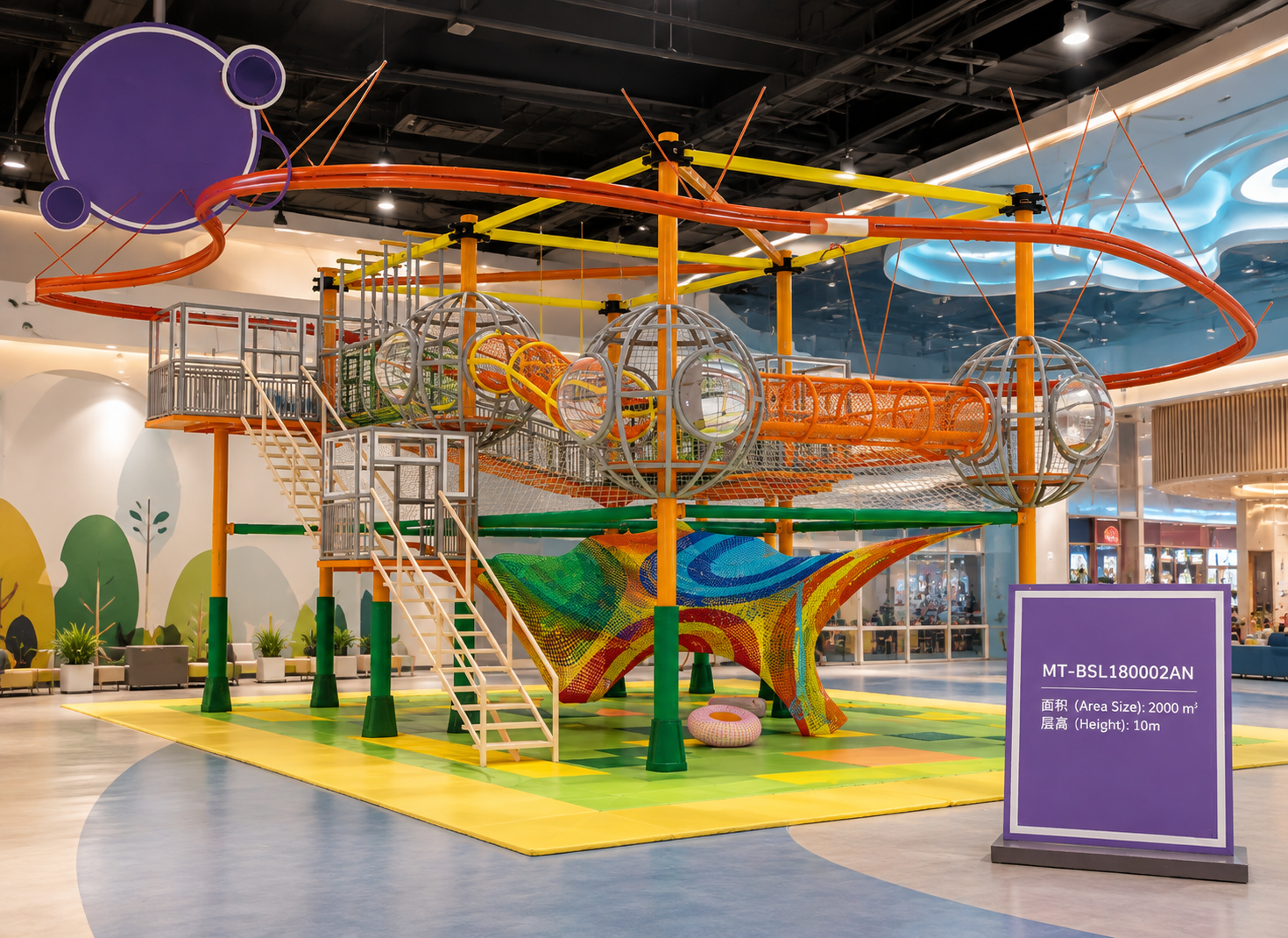
An indoor play structure may combine platforms, nets, stairs, ladders, slides and a tunnel within the approved layout. Geometry remains project-specific and is released only after the relevant interfaces are agreed.
Climbing and obstacle elements
Climbing wall, rock-climbing or obstacle-course language can describe a buyer objective, but each specialist element needs category, destination and responsibility review. It’s never folded into a generic safety statement.
Themed play systems
Theme work can customize the visual experience while the equipment plan continues to follow the same scope and approval controls. A theme doesn’t replace the underlying component, access or operating decisions.
Specialist attraction interfaces
Trampoline, water-play, amusement-ride or technology-led concepts may involve different standards and specialist contractors. Identify them before quotation so the interface is included, excluded or routed to the right party.
Configuration rule
More equipment is not always the stronger investment decision. The trade-off is usable circulation, supervision, cleaning access, age balance and the venue’s operating model; accessible-route and age-area planning reinforce the complete use pattern.
-
01Align goal: Convert investment rationale into venue priorities, required users, and desired outcomes.
-
02Zone strategy: Align activity zones with targeted equipment family, planned workflow and pre-defined interfaces within the fixed location architecture.
-
03Refine Design: refine the selected indoor playground solution and keep comments tied to a controlled version.
-
04Scope Freeze: Connect the approved design with client agreement on quotation value and timeline responsibilities by assigning responsibilities to relevant parties and ordering production of equipment.
The Project Boundary Register
The Project Boundary Register is the single authority for who supplies an input, who returns a deliverable and who approves the next stage. Use it during negotiation and change control so later emails don’t create a second, conflicting version of the project scope.
| Delivery stage | Buyer input | Toplay deliverable | Approval gate | Change trigger | Responsibility owner |
|---|---|---|---|---|---|
| Usable brief | Venue data, destination, age plan, attraction priorities and access evidence | Input review and clarification list | Brief accepted for concept work | Missing or revised site information | Buyer owns source data; Toplay owns review response |
| Concept zoning | Operating goals and preferred activity mix | Layout direction and equipment-family proposal | Concept direction approved | New zone, theme or operating requirement | Joint decision with named buyer approver |
| Design development | Comments consolidated by the project manager | Revised indoor playground design for review | Design version approved | Dimension, interface or configuration change | Toplay coordinates design; buyer confirms venue inputs |
| Scope and quote freeze | Selected delivery and installation route | Written commercial scope, exclusions, terms and schedule triggers | Quotation and scope accepted | Commercial or responsibility change | Named signatories and project manager |
| Production release | Final design approval and agreed payment milestone | Released project version and manufacturing coordination | Release conditions met | Change after approved release | Toplay controls released version; buyer authorizes changes |
| Packing and logistics | Named destination, shipping term, consignee and access plan | Packing coordination and agreed shipping documents | Dispatch inputs complete | Route, destination or consignee change | Split according to the quoted Incoterm and local arrangements |
| Installation route | Local crew or technician-support decision, site readiness and access | Numbered guidance and remote support, or separately quoted technician scope | Installation responsibilities confirmed | Site-readiness, labor or travel change | Named local and supplier contacts |
| Handover and support | Agreed acceptance feedback and open-item owner | Handover records fixed in the quotation and 24/7 online support entry | Record set and open items acknowledged | Missing record or post-handover issue | Each open item receives one named owner |
| Control point | Committed baseline | Trigger or boundary |
|---|---|---|
| Quotation response | Within 3 business days | Starts after receipt of a usable project brief |
| Production schedule | Within 40 working days | Starts after final design approval for a standard custom project |
| Minimum commercial unit | 1 complete custom playground project | Component scope is defined by the approved project quotation |
| Payment milestone 1 | 30% T/T deposit | Starts production after the other release conditions are met |
| Payment milestone 2 | 70% T/T balance | Due before shipment |
| Installation choice | 2 documented routes | Local crew with guidance or separately quoted on-site technician support |
| Core shipping records | 3 standard document types | Commercial invoice, packing list and bill of lading; certificate of origin when required |
| Online support entry | 24/7 | Consultation and after-sales contact for the delivered project |
Interactive Scope Builder
Turn your project inputs into an included, separately quoted and buyer-owned checklist before the first commercial comparison.
Commercial Terms and Delivery Timing
Indoor playground equipment cost follows the usable footprint, equipment mix, theme complexity, design interfaces, destination, freight scope, installation route and local site work. We return a quotation within 3 business days after receiving a usable project brief, so comparable inputs matter before anyone compares headline totals.
| Cost driver | Why it changes the scope | Input that improves comparison |
|---|---|---|
| Usable footprint and height | Changes layout, structural geometry and component quantity | Dimensioned plan, clear height and fixed-obstacle map |
| Equipment and activity mix | Changes component families, complexity and interfaces | Prioritized attraction list and age plan |
| Theme complexity | Changes custom form, color, graphics and approval workload | Reference mood, brand rules and must-have elements |
| Destination and freight scope | Changes routing, packed-volume decisions and responsibility allocation | Named destination, consignee, shipping term and delivery constraints |
| Installation route | Changes guidance, local labor, travel and site coordination | Local-crew plan or required technician-support scope |
| Local site work | Can sit outside the equipment quote while controlling readiness | Contractor scope, services plan and target handoff sequence |
Comparison warning
A low equipment quote may exclude freight, customs, site work, travel, accommodation, local labor or acceptance support. Comparing totals before those boundaries are visible can produce the wrong answer for procurement.
- One controlled venue-plan version
- Same destination and consignee assumptions
- Same equipment and theme priorities
- Same included and excluded site works
- Same installation-support route
- Same acceptance and handover expectations
- Same target sequence and approval owner
- Same Incoterm and named place or port
Commercial evidence level: scope-first
- Use total project inputs to compare offers; don’t infer a return, payback period or opening-date saving from an equipment quote. Procurement frameworks similarly add transportation cost to offer price when determining overall cost, which supports a freight-inclusive comparison without supplying a project-specific saving.5
- Compare all ordered equipment specifications with all defined specifications against the selected and approved initial design brief.
- Normalize the freight rule, named place, destination charges and unloading ownership.
- Normalize installation support, travel, local labor and site-readiness work.
- Compare the handover records and open-item process named in each offer.
What starts the production clock
- Usable brief received: the quotation turnaround can begin after the venue and route inputs are sufficient for review.
- Design approved: the selected configuration and relevant project interfaces receive final buyer approval.
- Commercial release complete: the signed scope and 30% T/T deposit satisfy the agreed production-release conditions.
- Production scheduled: we schedule a standard custom project within 40 working days after final design approval.
- Shipment released: the 70% T/T balance is due before shipment, with logistics inputs confirmed.
Manufacturing and Quality-Control Gates
Capabilities
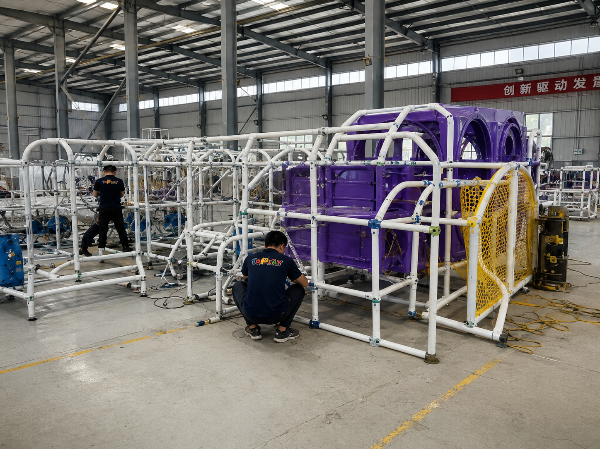
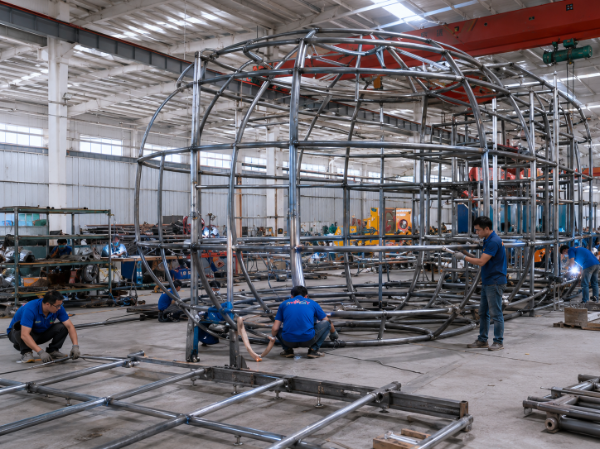
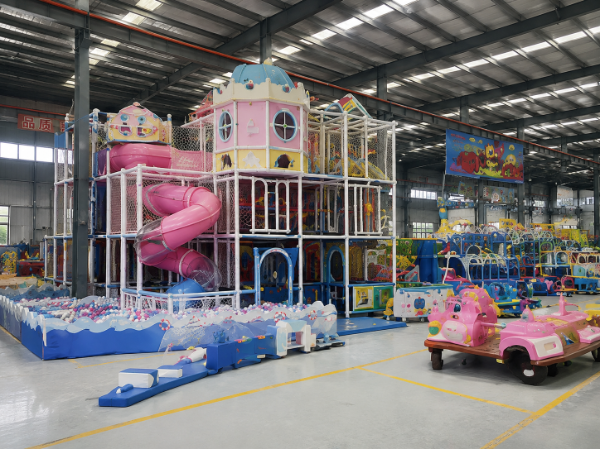
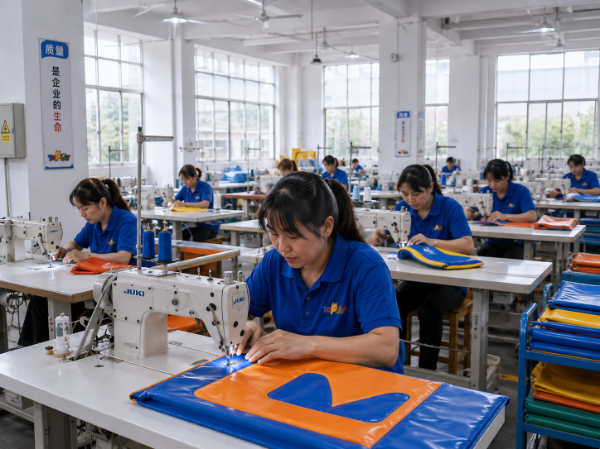
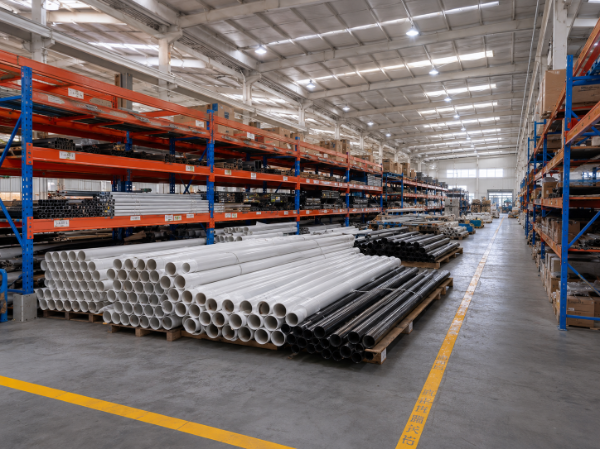
Toplay’s listed fabrication capabilities include laser tube cutting, tube sawing, punching, drilling, tube bending, press braking, MIG, TIG and CO2 welding, robotic welding, grinding and polishing. These processes support custom playground equipment production, while the approved drawing, project requirements and written acceptance route control what must be delivered.
Evidence boundary
Quality-control risk is not closed by a machine list because production evidence and operator duties answer different questions. Toplay can agree drawing checks and handover records; the CPSC checklist separately calls for continuing inspection, maintenance and repair by the operator.3
Fabrication flow for the released project
Tube prep
Laser tube cutting and tube sawing prepare members against the released component and drawing references. The chosen process follows the geometry and production plan rather than a public capacity claim.
Hole & feature
Punching and drilling prepare specified features before assembly. Version control matters because a late interface change can affect more than one connected component.
Forming
Tube bending and press braking create project-specific forms within the approved design route. The relevant dimensions and review points belong in the project drawings and records.
Joining
MIG, TIG and CO2 welding, together with robotic welding equipment, support the planned fabrication sequence. A machine name describes capability context; it doesn’t by itself establish conformity or a test result.
Surface prep
Grinding and polishing prepare visible and joining areas for the contracted finish route. Appearance references should be agreed before release when color and themed surfaces are part of the buyer’s approval.
Packing release
Component identification, packing references and shipping records connect the manufactured package to logistics and installation. Any special evidence or acceptance record must be named in the quotation.
Buyer approvals across production
-
Released version
Confirm the drawing, layout and commercial scope that production must follow.
-
Req. schedule
Record destination, category, finish, document and acceptance requirements that apply to the order.
-
Fab. sequence
Keep component preparation, forming, joining and finishing aligned to that released version.
-
Review evidence
Define which visual, dimensional, document or acceptance records are required under the contract.
-
Shipment release
Reconcile packing identification and the agreed shipping-document set before dispatch.
Destination requirements to put in the brief
-
Product category
Identify whether the scope contains soft-contained play, public-playground components, a climbing wall, trampoline, amusement attraction or another specialist system. ASTM F1918 has a defined soft-contained-play scope and explicit exclusions, so it should not be applied as a blanket label.1
-
Authority route
Name the country, local authority, landlord, designer, inspector and operator roles that apply to the venue. Put required assessment, technical documentation and acceptance evidence into the written schedule before production release.
Where a conformity or certification route applies, the specific assessment and documentation matter; a management-system mark must not be presented as product certification.7 This is why project requirements are confirmed against the destination and component category instead of reduced to a generic badge row.
Quality evidence boundary
Quality control, manufacturing processes, drawings, engineering changes, testing, technical documentation, packing and marking are separate subjects in formal procurement guidance.6 A useful project file names the applicable requirements and substantiating evidence instead of treating a production-equipment list as proof of compliant output.
From Project Brief to Final Handover
Our project management route keeps one approved input and deliverable moving through each gate. The timeline remains visible, but each stage advances only when its defined input and decision owner are ready.
01
Usable project brief
we review the venue plan, destination, age plan, access and priority attractions and return a clarification list.
02
Concept and zoning
we integrate activity goals, equipment families, circulation and fixed venue conditions into a reviewable direction.
03
Design development
we refine the selected indoor playground solution and keep comments tied to a controlled version.
04
Boundary and quote freeze
we set included deliverables, exclusions, commercial terms, installation route and approval owners in writing.
05
Production release
we coordinate manufacturing from the approved design after the agreed release conditions are met.
06
Packing and shipping
we align component identification, packing references, consignee inputs and the quoted freight responsibility.
07
Installation support
we provide the selected local-crew guidance route or the separately quoted on-site technician route.
08
Handover and support
we close the agreed record set, name open-item owners and connect the project to 24/7 online after-sales support.
Buyer’s local crew with guidance
- Toplay supplies numbered drawings, video and remote guidance.
- The buyer arranges qualified local labor, tools, access and site readiness.
- Questions and deviations are routed back to the named project contact.
- The quotation states any additional scope, schedule, language or documentation needs.
On-site technician support
- The technician-support scope is quoted separately.
- Travel, accommodation, local labor, site access and working conditions are assigned in writing.
- The buyer retains local contractor and authority coordination unless the quotation says otherwise.
- Acceptance steps and outstanding work owners are recorded at handover.
Delivery Route Readiness Checker
Compare site access, labor, travel, supervision and handover inputs before selecting a local-crew or technician-support route.
The Handover Pack
Buyers need retained drawings, packing references, installation guidance, inspection records and support contacts after handover, not only a shipped product list. This record set supports future maintenance and parts conversations.
| Handover item | Baseline treatment | Buyer check |
|---|---|---|
| Approved drawing or layout reference | Identify the version used for production and installation guidance | Retain the approved reference and later changes |
| Commercial invoice | Ships with the order | Match legal and shipment details |
| Packing list | Ships with the order | Use package references during receipt and installation |
| Bill of lading | Ships with the order | Reconcile transport and consignee information |
| Certificate of origin | Included when required | Confirm destination need before dispatch |
| Installation guidance | Numbered drawings, video and remote guidance for the local-crew route | Confirm local crew access and question route |
| Acceptance or open-item record | Format and criteria fixed in the quotation | Name the owner and due action for every open item |
| Support contact inputs | Connect the delivered project to online support | Retain project, component and issue references |
Operator readiness at handover
- Assign routine inspection ownership
- Plan cleaning access and records
- Retain repair and replacement references
- Post the intended-use and age information
- Separate toddler and older-child operating controls
- Retain approved drawings and packing references
- Record support contacts and issue evidence
- Route compliance questions to responsible authority
Handover starts the operator’s retained-record and maintenance responsibility; it isn’t a transfer of ongoing venue operation to the equipment supplier. Netting, ropes, surfacing and cleanliness must be inspected routinely as per CPSC soft-contained-play guidelines.
Generate your handover checklist
Delivery Routes and Scope Trade-Offs
A turnkey equipment route reduces coordination only where its contracted boundaries are well-delineated.4 Likewise, efficient turnkey project delivery is equally contingent on the buyer’s local installation resources and interfaces and appetite for multi-supplier oversight.
| Situation | Trade-off | Next action |
|---|---|---|
| You need a complete operational venue | The equipment-project scope does not automatically include permits, building services, insurance, staffing or operations | Add the architect, landlord, local contractor and operating team to the boundary review |
| You want the largest possible equipment count | More equipment can work against circulation, supervision, cleaning access and the wider venue model | Prioritize the activity and operating plan before component quantity |
| Your local crew knows the site and language | The guidance route reduces supplier travel but places tools, labor and local execution with the buyer | Use the readiness checker and confirm crew responsibility in the quotation |
| You prefer supplier technician support | Travel, access, accommodation, local labor and site readiness still need separate ownership | Request a technician scope with named inclusions and local interfaces |
| Your venue data is still changing | Early production release can create design, packing and installation rework when inputs move later | Hold scope freeze until the critical dimensions and approval owner are stable |
| You use several specialist suppliers | Buyer control increases, but so do interface and change-management duties | Create one shared interface register and name the contractor responsible for each boundary |
Turnkey equipment route
This equipment route option should appeal to an investor that wants integrated design, custom manufacturing, shipping and installation and handover under a defined equipment project scope. It still relies on prompt buyer decisions and a local team for the duties assigned outside that scope.
Best fit
- One controlled brief and approval route
- Clear equipment-package responsibility
- International procurement needing coordinated documents
- A buyer willing to name local interfaces early
Buyer-managed route
Several specialist systems with separate suppliers
Strong in-house project management
Local contractors already controlling the site
A deliberate plan for interface risk and acceptance
Turnkey Project Delivery Tools
Evaluate your site’s physical readiness for large-scale equipment delivery and installation routing.
Access ToolCreate a complete document checklist covering safety certifications, operation manuals, and maintenance guides.
Access ToolDefine clear project boundaries, allocating responsibilities between the manufacturer, buyer, and local contractors.
Access Tool
PROJECT KNOWLEDGE BASE
Turnkey Project Delivery FAQs
Q01
What does turnkey project delivery include for an indoor playground?
It includes the equipment-project stages agreed in the written scope: usable-brief review, indoor playground design, custom equipment configuration, manufacturing coordination, packing and shipping coordination, the selected installation-support route and documented handover. Local approvals, construction, building services and venue operations stay with the named buyer or local party unless the quotation expressly assigns them.
Q02
What do you need before preparing a quotation?
Send a CAD or DWG floor plan, or a dimensioned sketch, plus ceiling height, columns, exits, access conditions, destination, target ages, activity priorities, theme direction and preferred installation route. We start the 3-business-day quotation response after the information forms a usable project brief.
Q03
How long do quotation and production take?
We return a quotation within 3 business days after receiving a usable project brief. We schedule production within 40 working days after final design approval for a standard custom project; shipment transit, destination work and installation timing follow the separately confirmed route.
Q04
What changes the price of a custom indoor playground project?
Price follows footprint, height, equipment mix, theme complexity, design interfaces, destination, freight scope, installation support and local site work. Compare quotations on the same venue plan, named shipping responsibility, installation route and handover expectations instead of comparing equipment totals alone.
Q05
Which installation routes are available?
We support installation by your local crew with numbered drawings, video and remote guidance, or on-site technician support under a separately quoted scope. The second route still requires written ownership for travel, accommodation, local labor, tools, access and site readiness.
Q06
Which shipping terms can be quoted?
We fix EXW, FOB, CFR, CIF or DDP in the quotation. The selected rule must be read with its named place or port and the surrounding contract, because it allocates defined delivery responsibilities rather than every cost or legal duty in the transaction.
Q07
Which documents are included in the Handover Pack?
The confirmed shipping set is a commercial invoice, packing list and bill of lading, with a certificate of origin when required. The project quotation should also name the approved drawing reference, installation guidance, any agreed acceptance record, open-item ownership and support-contact information.
Q08
Who handles local permits, site works and destination approvals?
Those duties remain with the buyer, landlord, designer, local contractor, operator or authority named in the Project Boundary Register unless the signed quotation assigns a different scope. Equipment coordination doesn’t by itself make Toplay the local permitting or building contractor.
Q09
How are scope changes handled after design approval?
The request is tied to the approved version, affected equipment and venue interface, then reviewed for cost, timeline, packing, installation and responsibility effects. A change moves into the released project only after those effects and the approval owner are recorded.
Q10
What destination information is needed for safety standards?
Provide the country, venue type, attraction categories, target ages, local authority route and any written buyer requirements. A soft-contained-play standard, public-playground guide or accessibility rule has a defined scope, so the applicable project team must map each component and approval duty instead of applying one label to the full venue.
Q11
Can themes and equipment configurations be customized?
Yes. We customize the equipment configuration and theme around the approved venue envelope, activity mix, age plan, brand direction and operating priorities, while changes after scope freeze follow the same written review path as other project changes.
Q12
How does 24/7 online after-sales support start?
At handover, retain the project reference, approved drawings, packing identifiers, acceptance or open-item record and clear photos or video of any issue. Our 24/7 online support channel uses that information to route consultation and after-sales questions without replacing the operator’s routine inspection, cleaning, maintenance or local compliance duties.



