Indoor Playground Logistics & Installation Services

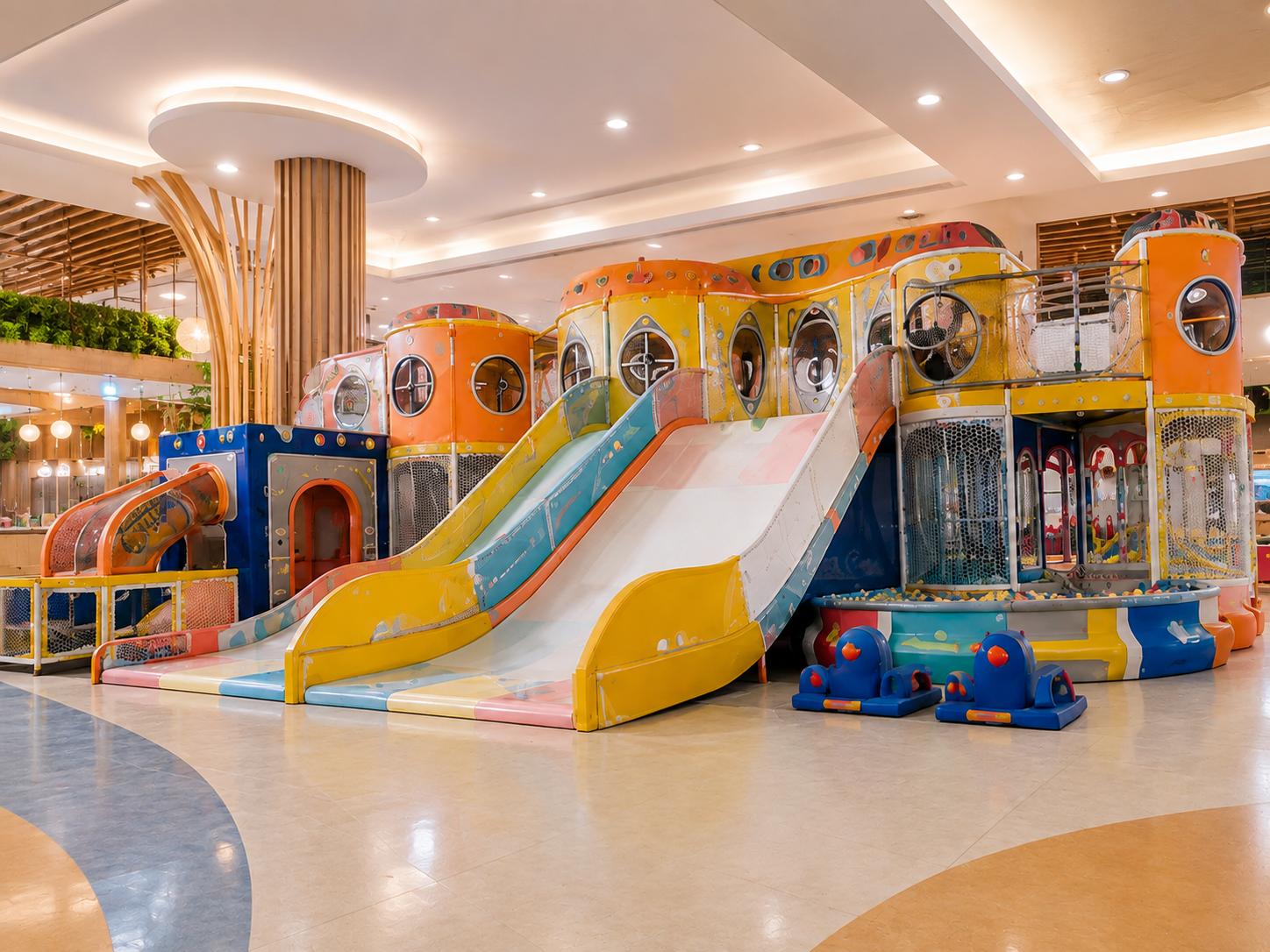
Toplay coordinates indoor playground installation and shipping around the layout you approve, the destination, your opening target, and what your local crew can handle. That scope covers soft play installation, commercial playground installation interfaces, customs, site preparation, acceptance, and post-opening responsibilities.

Indoor Playground Logistics
Installation Services

A practical starting point

Send a floor plan, venue height, destination, target opening date, and your preferred installation model. We flag whatever is still missing before design approval and freight booking.

  • Initial response within 48 hours
  • 30–45 days production planning
  • Local-crew or on-site support
  • 24/7 online support

Project Terms at a Glance

CRITICAL NOTICE

Scope before speed

Hidden cost and schedule-delay risks appear when the production window gets treated as the whole opening plan. Site preparation, booking availability, transit, import clearance, unloading, installation complexity, and acceptance are each planned as separate dependencies.

Request a Project-Specific Quote
Toplay Playground Project Setup
48 hours
Initial response to a project enquiry
30–45 days
Production planning after design approval and deposit
1 system
Minimum order: 1 complete playground system
30% / 70%
30% deposit and 70% balance before shipment
3 routes
FOB, CIF, or DDP under Incoterms 2020, assessed by destination
2 modes
Guided local crew or separately scoped on-site technician

International Playground Logistics Coordination

Toplay builds one project responsibility matrix before the order is released. It hands the venue investor, freight party, installer, and Toplay a shared operating document rather than a broad “turnkey” label.

International Playground Logistics Coordination

The commercial playground equipment schedule names every play structure and indoor play structure drawn on the approved playground design.

Where the project includes them, commercial indoor play, kids play, toddler, themed, and inclusive zones stay linked to their packages and drawing references.

A request to customize a zone turns into a documented revision, not a loose promise to supply unspecified play solutions.

Toplay coordinates

  • Approved equipment scope and drawing references
  • Packing and export-document inputs
  • Freight-forwarder information exchange
  • Installation-support mode and handover package

The buyer confirms locally

  • Permits, landlord rules, and authority approvals
  • Building, fire, accessibility, and insurance requirements
  • Importer-of-record and customs-broker appointments
  • Unloading, storage, utilities, civil works, and local labor

Indoor Playground Logistics & Installation Responsibility Matrix

Swipe horizontally to view the complete matrix →

Decision or task Toplay Buyer / owner Freight or customs party Local installation crew
Equipment category and project scope Describe the supplied play equipment and document the approved layout Confirm venue use, age groups, attraction mix, and commercial scope Use the agreed cargo description for transport and entry Review the drawing set and identify assembly questions
Governing jurisdiction Supply available product and project documents Appoint qualified local professionals and identify the authority having jurisdiction Confirm destination import controls Follow approved site and installation requirements
Accessibility, building, and fire review Provide layout and equipment information within the quotation scope Coordinate landlord, designer, insurer, fire, building, and accessibility reviews Not the approval owner Install to the approved project documents
Trade term and delivery point Quote the selected Incoterms 2020 rule with a named place or port Approve the route and destination responsibilities Confirm booking, transport documents, charges, and handover points Prepare receiving and staging access
Importer and wood packaging Declare the agreed packing scope and coordinate applicable markings Name the importer of record Verify destination controls and customs instructions Report package damage before unpacking
Handover and operation Supply the agreed drawings, document pack, and support contact Own post-opening inspection, maintenance records, and emergency procedures Close transport exceptions Close installation punch-list items

Packing, Labeling, and Load Planning

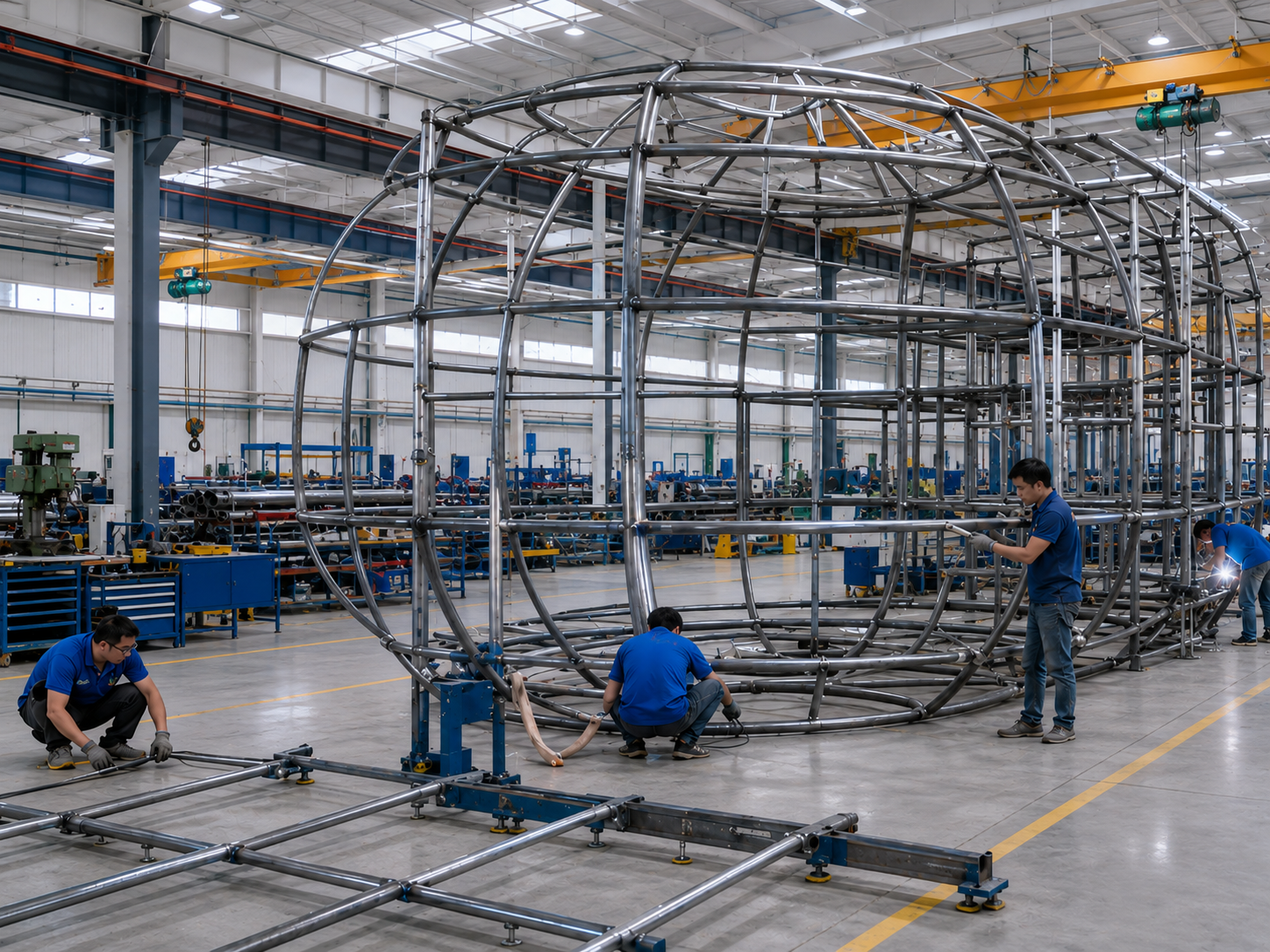
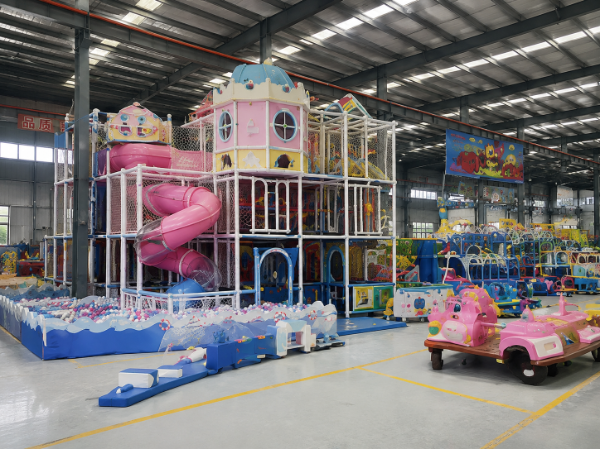
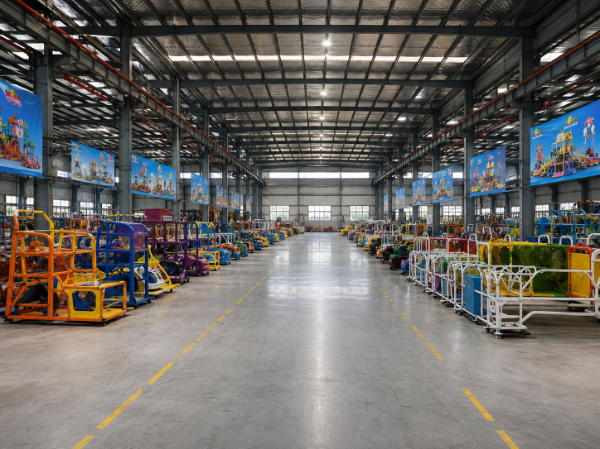
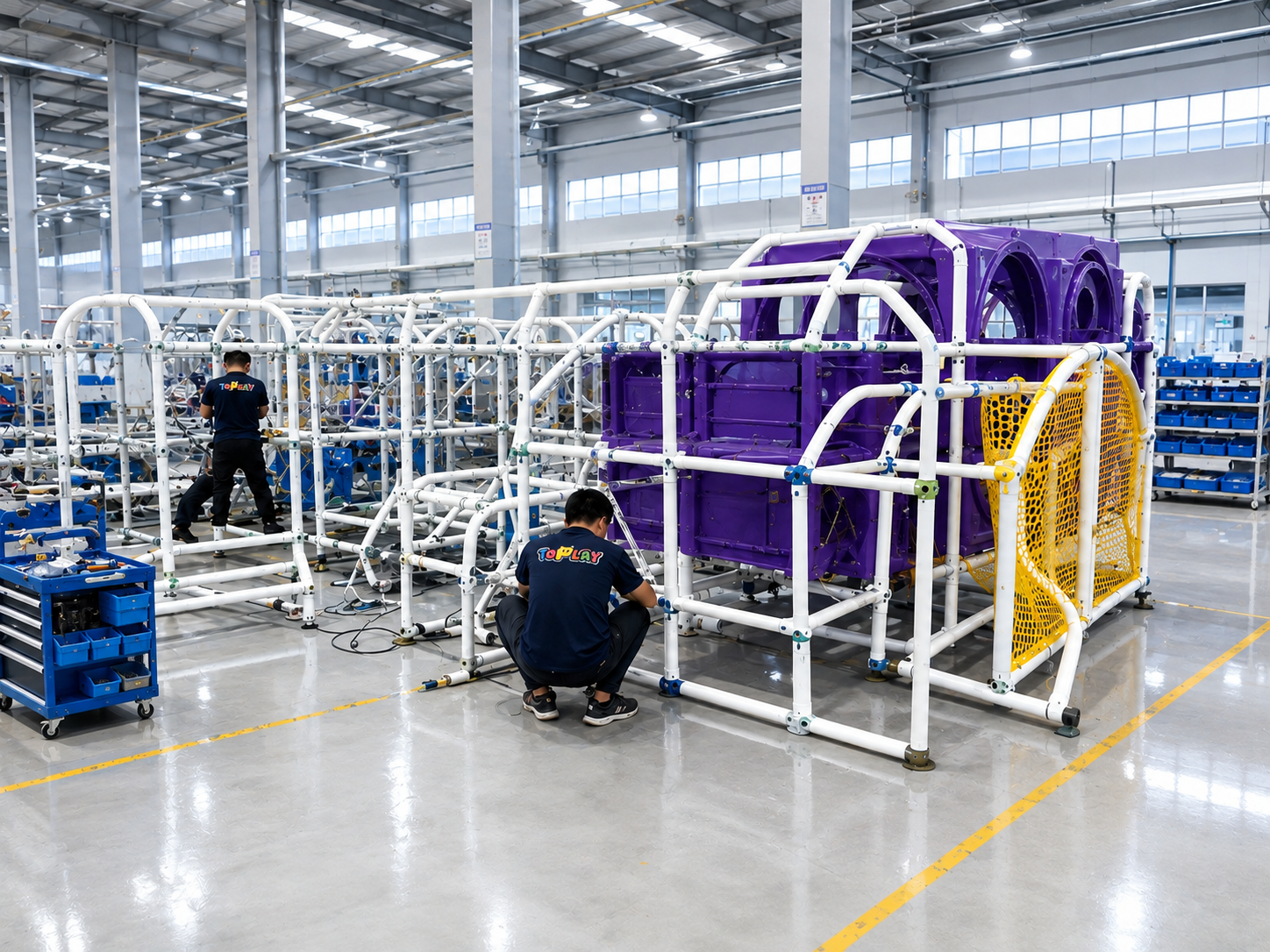
An indoor playground shipment can arrive as frames, panels, nets, soft play elements, slides, hardware, and decorative components spread across separate packages. Once approved, the equipment schedule becomes a Toplay dispatch checklist, so the buyer and installer can trace each package back to the current project documents.

Toplay indoor playground packing and load planning

Package identity

  • Equipment-zone reference
  • Package number and item description
  • Gross and net weight where documented
  • Installation drawing reference

Load information

  • Estimated packed volume
  • Package count and dimensions
  • Container or transport plan
  • Unloading and temporary-storage inputs

Receiving control

  • Seal and visible-damage check
  • Packing-list reconciliation
  • Photo record for exceptions
  • Missing or damaged-item escalation

Missing or damaged parts create installation delays because the crew must stop and identify the affected drawing, package, and assembly sequence. A package number is useful only when it stays connected to the current drawing revision.

Toplay project coordination rule: Wood packaging is destination-specific. When solid wood packaging is used, the importer and exporter confirm the destination’s ISPM 15 requirements before dispatch. The contract language names who checks treatment, marking, and any route-specific exceptions.

  • Final approved equipment list and drawing revision
  • Destination port, postal code, or exact delivery place
  • Loading-bay limits, door and corridor dimensions, lift capacity, and floor access
  • Available unloading equipment, receiving hours, and secure staging area
  • Attraction mix shown on the approved layout, because a trampoline park or climbing wall zone changes packing sequence and assembly order

Shipping Terms and Export Documents

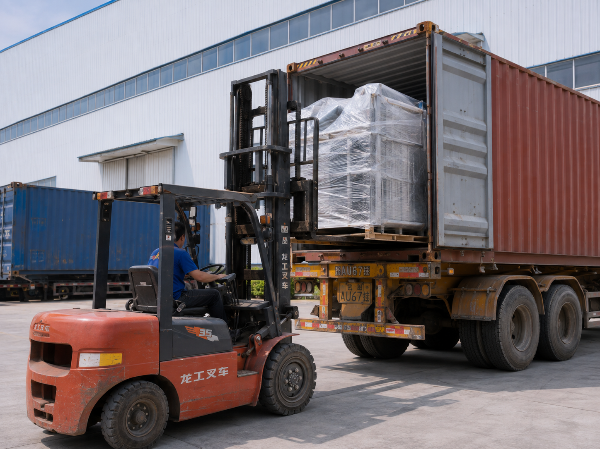
Toplay can quote FOB, CIF, or DDP terms, but these routes are not interchangeable. Every quotation names the Incoterms 2020 rule and the exact place or port because the delivery point, risk transfer, and cost boundary change with that choice.

The agreed export document pack includes a commercial invoice, packing list, and bill of lading or the applicable transport document. It also includes a certificate of origin and applicable inspection or customs documents when the destination, importer, bank, or selected transport mode requires them.

Shipping Terms and Export Documents Illustration

FOB

How it is framed

Sea or inland-waterway shipment with the named port of loading

Buyer Decision

Confirm the main-carriage forwarder, destination costs, insurance choice, customs, and inland delivery

CIF

How it is framed

Sea or inland-waterway shipment with the named port of destination and the agreed insurance scope

Buyer Decision

Confirm that risk transfer is understood and arrange destination clearance, charges, and onward movement

DDP

How it is framed

Named destination after a route-specific check of seller import-clearance capability

Buyer Decision

Confirm importer, tax, product-entry, delivery-access, and unloading arrangements in writing

FCA assessment

How it is framed

Reviewed for containerized or multimodal cargo where handover to the carrier occurs before vessel loading

Buyer Decision

Approve the exact carrier handover point and responsibility boundary

  • Commercial invoice aligned with the contracted goods and value
  • Export packing list aligned with package marks, quantities, weights, and dimensions
  • Bill of lading or the applicable transport document
  • Certificate of origin when the destination, buyer, or payment route requires it

Installation Scope and Site-Readiness Specifications

Installation Models

Toplay supports two installation models: the buyer’s local crew can use numbered drawings and remote guidance, or an on-site technician can be added under a separately confirmed scope. Mode selection follows a review of system complexity, venue access, local-team skills, project language, and the target opening sequence.

Installation process release

The installation process starts from the current drawing set, package map, site-readiness record, and named escalation contacts. Revisions are released before the crew uses them. The drawing set follows the approved commercial soft play equipment scope agreed for the project.

Installation Scope and Site-Readiness Specifications Diagram
Specification Planning value or requirement Input required before quotation
Initial response Within 48 hours Contact details, project country, venue type, and requested scope
Production planning 30–45 days after design approval and deposit Approved layout, equipment list, and payment milestone
Minimum project order 1 complete playground system Usable play area, age groups, and attraction scope
Payment structure 30% deposit and 70% balance before shipment Contract entity and transfer details
Shipping terms FOB, CIF, or DDP terms Named port or place, postal code, importer, and route preference
Installation modes 2 project routes Local-crew capability and need for an on-site technician
Online support 24/7 online support Named project contact, preferred channel, and time zone
Product classification Project-specific before a standard such as ASTM F1918 is named Equipment category, age range, use context, and attraction mix
Local requirements Confirmed before contract Country, city, landlord, accessibility, building, fire, permit, and insurer inputs

Project Cost Drivers and Lead Times

Shipping, customs, and installation can hide cost gaps when they arrive as one turnkey price. The quoted scope separates equipment, packing, freight route, installation support, and locally supplied work, because indoor playground equipment cost and indoor playground shipping cost are not interchangeable.

Compare like with like

Compare like with like

For an equal comparison, the standard fix is to price the same named destination and installation scope. Choosing the right call means leaving no freight, unloading, or labor line unassigned.

Commercial assumptions

Commercial assumptions

A turnkey solution or wider playground solution remains a scope label until every party and cost boundary is assigned. ROI and warranty assumptions are not inferred from a logistics quote; any applicable warranty terms must appear in the signed contract.

The mistake in a one-number comparison

The mistake in a one-number comparison

The trade-off is not visible until unloading, access, local labor, technician travel, and site readiness sit beside the equipment figure. A lower equipment line does not automatically produce a lower installed project cost.

Cost drivers to settle before contract

Cost Driver Why it moves cost Improves the quote
Packed volume and package design Changes container use, handling, and freight basis Approved equipment list and destination
Trade term and named place Changes main carriage, destination charges, customs scope, and inland delivery Port, postal code, broker, and importer details
Unloading and access Restricted bays, corridors, lifts, stairs, or receiving hours add handling steps Access dimensions, route photos, and unloading plan
Installation complexity System height, zoning, interfaces, and assembly sequence change labor and supervision needs Final layout and local-crew skills
On-site technician support Travel, visa, local transport, accommodation, and working days are separately scoped Country, site schedule, crew size, and requested support duties
Opening target Production, booking, customs, site preparation, and installation must align in sequence Target opening date and latest acceptable handover date

Production is planned at 30–45 days after design approval and deposit; the project quotation confirms the exact schedule.

Payment is structured as 30% deposit and 70% balance before shipment by wire transfer.

  • Approval clock layout, responsibilities, trade term, and payment must be released.
  • Production clock starts after the approved design and deposit.
  • Transport clock follows booking, dispatch documents, transit, clearance, and delivery.
  • Site clock covers local works, receiving, installation, acceptance, and handover.

Pre-Shipment Checks, Acceptance, and Handover

Project checkpoints and documents are settled before the shipment leaves, not after components arrive. Poor component identification causes sorting problems before assembly can start.

Pre-shipment review

  • Approved equipment list and drawing revision
  • Package count, packing list, and open exceptions
  • Trade term, named place, transport documents, and importer details
  • Site-readiness status and installation contact list

Site acceptance

  • Package and component reconciliation
  • Assembly completion against the approved installation documents
  • Fastener, padding, netting, access, guard, and functional checks applicable to the supplied system
  • Punch-list ownership, target date, and evidence required for closure

Evidence before compliance language

Applicable safety standards depend on equipment classification and jurisdiction. A certification document must identify its scope and issuer; neither the equipment supplier nor this page can certify local building, fire, accessibility, or permit compliance.

Classify before citing a standard

A classification mistake creates compliance risk, because no single document can govern every attraction and every site duty. ASTM F1918 addresses soft contained play equipment for users from age 2 through age 12, while the CPSC and local authorities maintain distinct guidance and responsibilities; product standards are not a substitute for accessibility, building, fire, permit, landlord, insurer, or authority review.

Pre-Shipment Checks and Site Acceptance

Handover package

Toplay supplies the agreed installation drawings, export-document pack, maintenance information available for the supplied equipment, open-item record, and support contact. From opening onward, the owner or operator keeps those documents and manages inspections, maintenance, staff procedures, and emergency planning. Pre-shipment inspection scope and the after-sales route are set out under indoor playground quality control and after-sales service.

Review the Project Handover Scope

Toplay Project Delivery Workflow

A production window and an opening date are not interchangeable. The standard fix is to assign every handoff before dispatch, because unowned dependencies create delay and responsibility gaps.

Toplay Project Delivery Workflow
01
Share venue and destination inputs
send the floor plan, clear height, column positions, access route, country, postal code, and opening target.
02
Confirm equipment and installation scope
settle the indoor play system, local-crew capability, and support model.
03
Approve commercial boundaries
sign off the design, quotation, responsibility matrix, Incoterms 2020 place, and payment schedule.
04
Produce and prepare the shipment
run the approved equipment schedule, packing inputs, document pack, and freight handover.
05
Align site and installation
follow local works, import clearance, receiving access, staging, assembly, and issue escalation.
06
Complete acceptance and handover
clear the punch list, deliver the agreed documents, and activate the support contact.

One accountable coordination path

Toplay coordinates the project inputs, documents, equipment delivery, and installation support included in the quotation. Assigning buyer, freight, local-professional, and installation-crew tasks before contract is what keeps schedule delay and responsibility gaps out of the project.

Request a Project-Specific Workflow

Decision tools for the project team

  • Shipping & Installation Scope Builder for quotation boundaries
  • Site Readiness Checker for the pre-arrival dependency review
  • Responsibility Matrix Generator for party-by-party ownership

Toplay Global Delivery Snapshot

Guangzhou Toplay Amusement Equipment Co., Ltd. was established in 2014 and supplies customizable indoor children’s playground equipment for commercial projects. Toplay products have been exported to more than 40 countries, including France, India, Sri Lanka, South Africa, Mexico, Malaysia, and Poland.

A custom indoor project starts with venue inputs and an approved custom design. Toplay acts as the equipment supplier and records requested changes before they affect packing or installation.

  • Shopping malls and mixed-use commercial complexes
  • Indoor children’s play centers and family entertainment centers
  • Kindergartens and early childhood education centers
  • Family restaurants, hotels, community recreation spaces, and children’s activity venues
2014
Toplay was established in 2014
40+
Export destinations reported by Toplay
>90%
Over 90% of products sold to the global market
>20%
Toplay reports over 20% average annual growth
24/7
24/7 online support for consultation and after-sales support
Custom
Layouts and equipment scope planned around the venue

Services That Require Local Partners

International equipment delivery does not remove local professional, authority, contractor, importer, or operator duties. We define those interfaces early, so local work supports the installation instead of turning into a late opening risk.

Services That Require Local Partners
Condition
Local path
Toplay contribution
Condition Permits and authority approvals
Local path Buyer appoints qualified local professionals and confirms the governing route
Toplay contribution Supply project documents included in the agreed scope
Condition Accessibility, building, and fire review
Local path Owner coordinates the landlord, designer, insurer, and authorities
Toplay contribution Provide layout and equipment information for their review
Condition Civil works, power, flooring, fire systems, or building changes
Local path Use appropriately qualified local contractors before equipment installation
Toplay contribution Identify equipment interfaces and required site inputs
Condition Customs outside the selected shipping term
Local path Use the buyer’s broker or request a route-specific DDP assessment
Toplay contribution Provide agreed commercial and packing documents
Condition Importer-of-record and packaging controls
Local path Name the importer and verify destination requirements, including any ISPM 15 treatment and marking, before dispatch
Toplay contribution Coordinate packing information and applicable markings within scope
Condition Restricted unloading or site access
Local path Plan local handling, storage, delivery windows, and access equipment
Toplay contribution Provide available package information for the receiving plan
Condition Post-opening inspection and maintenance
Local path Owner follows the agreed schedule, retains records, trains staff, and manages emergencies
Toplay contribution Maintain the 24/7 online support contact for consultation and after-sales support

Indoor Playground Logistics & Installation FAQs

How long does an indoor playground project take to ship and install?

Production is planned at 30–45 days after design approval and deposit. Freight booking, transit, customs, site readiness, installation, and acceptance are separate schedule items confirmed for the named destination.

What does “site ready” mean before installers arrive?

The approved area is accessible, local works are complete, utilities and fire interfaces are ready, unloading and storage are arranged, and the installation crew has the current drawings. The site-readiness checklist records evidence and open items before arrival.

What information is needed for a shipping and installation quote?

Send the floor plan, clear height, columns, access dimensions, destination, postal code, target opening date, equipment scope, local-crew details, and preferred trade term. A project enquiry receives an initial response within 48 hours.

Can a local crew install the indoor playground?

Yes, when the project review confirms suitable skills, supervision, tools, language, and site conditions. The local crew works from the project documents with remote guidance and a named escalation contact.

When should I request an on-site installation technician?

Request on-site support when the system is complex, the local crew lacks relevant assembly experience, the opening window is tight, or the buyer wants factory-side supervision. Duties, working days, travel, visa, accommodation, and local transport are confirmed separately.

Which shipping terms can be quoted?

Toplay quotes FOB, CIF, or DDP under Incoterms 2020 after checking the named place, transport mode, importer, and route. FCA is also assessed for containerized or multimodal cargo when its carrier-handover point fits the project.

Which export documents come with the shipment?

The agreed pack can include the commercial invoice, packing list, bill of lading, certificate of origin, and applicable inspection or customs documents. Destination and payment requirements determine the final list.

What affects indoor playground shipping and installation cost?

Packed volume, transport route, named trade term, destination charges, unloading, access, installation complexity, local labor, technician travel, and opening sequence all affect the quote. The page does not replace a route-specific quotation.

Who handles unloading, customs clearance, permits, and local labor?

The responsibility matrix assigns each item before contract. The answer changes with the selected trade term, named destination, importer, local approval route, and installation mode.

What is included in the final handover package?

The agreed package includes installation drawings, export documents, available maintenance information for the supplied equipment, punch-list status, and the support contact. The operator retains inspection, maintenance, staff, and emergency records after opening.

Which safety, accessibility, building, and fire requirements apply?

First classify the equipment and jurisdiction; ASTM F1918 applies only when the project fits its soft-contained-play scope. Qualified local professionals and authorities confirm accessibility, building, fire, permit, and insurer requirements.

Who is the importer of record and who checks wood-packaging requirements?

The buyer names the importer of record unless the signed route states otherwise. Before dispatch, the responsible parties confirm destination import controls and any ISPM 15 treatment and marking requirements for solid wood packaging.