Get in touch with Guangzhou Toplay amusement equipment co. Company

Indoor Playground Safety, Quality and After-Sales Service
Indoor playground safety, quality and after-sales service should give your project team decisions it can review—not a stack of generic promises. Toplay arranges destination requirements, design approval, pre-shipment visibility and support inputs around one traceable project file.
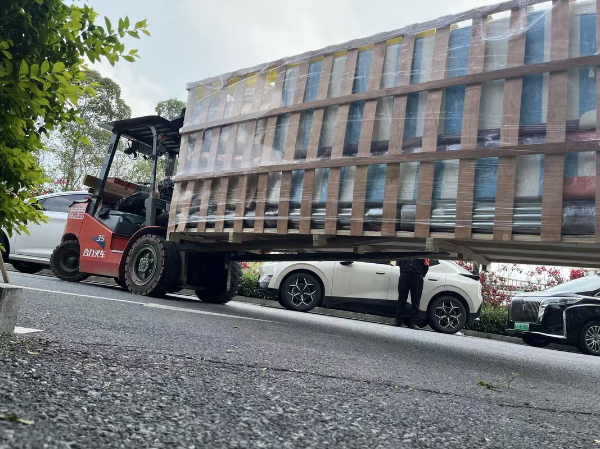
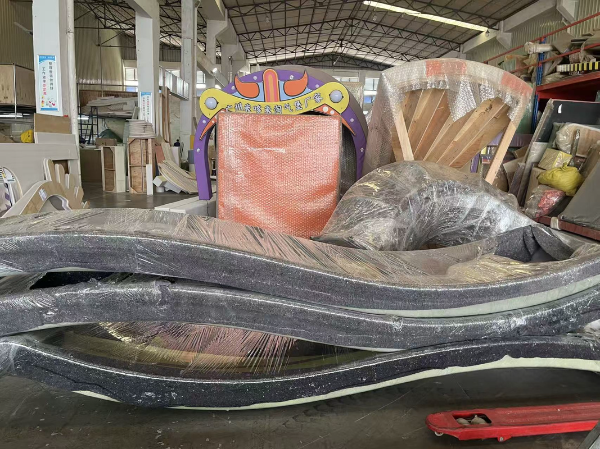
Start With the Project, Not a Badge
-
01 Destination country and applicable authority
-
02 Equipment class, intended ages and venue model
-
03 Clear height, access, exits and building interfaces
-
04 Approved layout, component scope and buyer hold points
-
05 Installation, handover and service responsibilities
One Decision Record From Brief to Operation
The Project Assurance File arranges buyer approvals and supplier deliverables. It indicates what requirement is agreed, who is accountable for the next step and what goes in the project record.
Where projects slip: a missing decision owner creates delay risk when an unresolved interface crosses stages.
Decision lane
Toplay contribution
Buyer or local-team contribution
Requirement routing
Organize the stated destination, equipment class and project inputs in the design record.
Identify the applicable authority, consultant and mandatory local requirements.
Design approval
Issue the project layout and component scope for review with a recognizable revision.
Coordinate landlord, building, access, fire, operation and commercial stakeholders.
Shipment release
Prepare the order-specific review and packing records defined in the approved scope.
Review open items, confirm hold points and authorize release under the order terms.
Operating continuity
Provide agreed handover information and route complete support requests.
Run venue inspections, maintenance, cleaning, staff training and operating decisions.
“A safety standard named before the equipment class and destination are locked can give false confidence. We record those inputs before approval. A floor plan that omits clear height, exits, building services and access can force redesign; a generic high-quality promise cannot support shipment release, and trial-assembly visibility is incomplete when open corrections and packing identities are disconnected.” — Toplay Project Team
Important boundary: the file does not replace the buyer’s local consultant, authority review, premises fire-risk assessment or operator procedures. It keeps those interfaces visible so they are less likely to disappear between quotation and handover.
Discuss Your Project Inputs
Specification identity
The project file should distinguish the approved description from a sample, catalog image or alternative proposal. That distinction matters when procurement reviews a substitution or replacement.
Cleaning and inspection access
A component that cannot be reached may be difficult to check, clean or maintain after opening. We use access needs as a design input, while the operator defines the actual venue procedure.
Route Requirements Before Freezing the Indoor Playground Design
Standards & Compliance
Compliance starts with equipment class, intended users and destination. ASTM F1918-21 addresses soft-contained play equipment, while BS EN 1176-10:2023 addresses fully enclosed play equipment; no single playground safety standard automatically covers every format.12
U.S. Market Rules
United States example: for a buyer and procurement team, the risk is a site mismatch because the Access Board guide gives a 60 inch (1525 mm) ground-level clear width and lists 36 inch (915 mm) within its elevated-route examples. Toplay records the local requirement before the 45–75 day production window starts.4
Intended-use mapping
For each brief, we ask for the venue type, intended age groups, supervision model and expected circulation before treating a standard name as relevant.
Destination capture
At project intake, we record the country, local project team and authority or consultant inputs that the buyer identifies.
Equipment-class separation
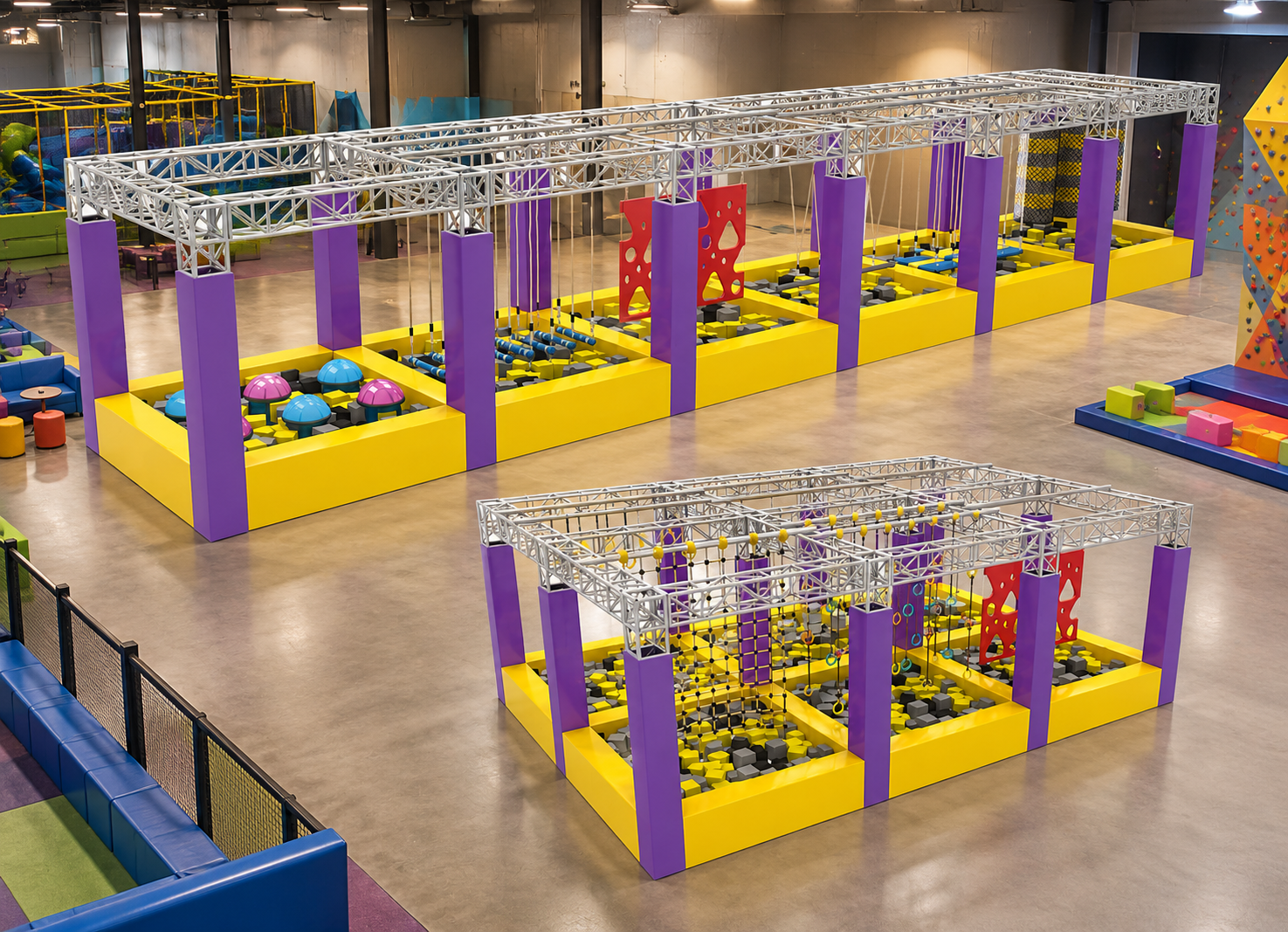
In our scope review, we separate a soft play area or indoor play structure from a slide, climb activity, ninja element, trampoline zone, loose mat and other play equipment. Their safety rules are not automatically interchangeable.
Access interfaces
Within the layout, we connect equipment entry points with the venue’s accessible route and circulation plan instead of treating access as a product label.
Fire interfaces
On the coordination record, we show exits, warning arrangements, evacuation planning and hazard ownership. Controls intended to prevent injuries remain subject to the local team’s review.
Open decisions
Before approval, we mark unresolved requirements and their owners so an unconfirmed issue cannot quietly become an accepted assumption.
Select Against the Approved Requirement, Use and Maintenance Plan
A material name alone does not establish suitability. We link component selection to the approved play function, user interface, destination requirement, cleaning method, anticipated inspection access and the buyer's written acceptance criteria; a catalog listing is not a substitute for that assessment.
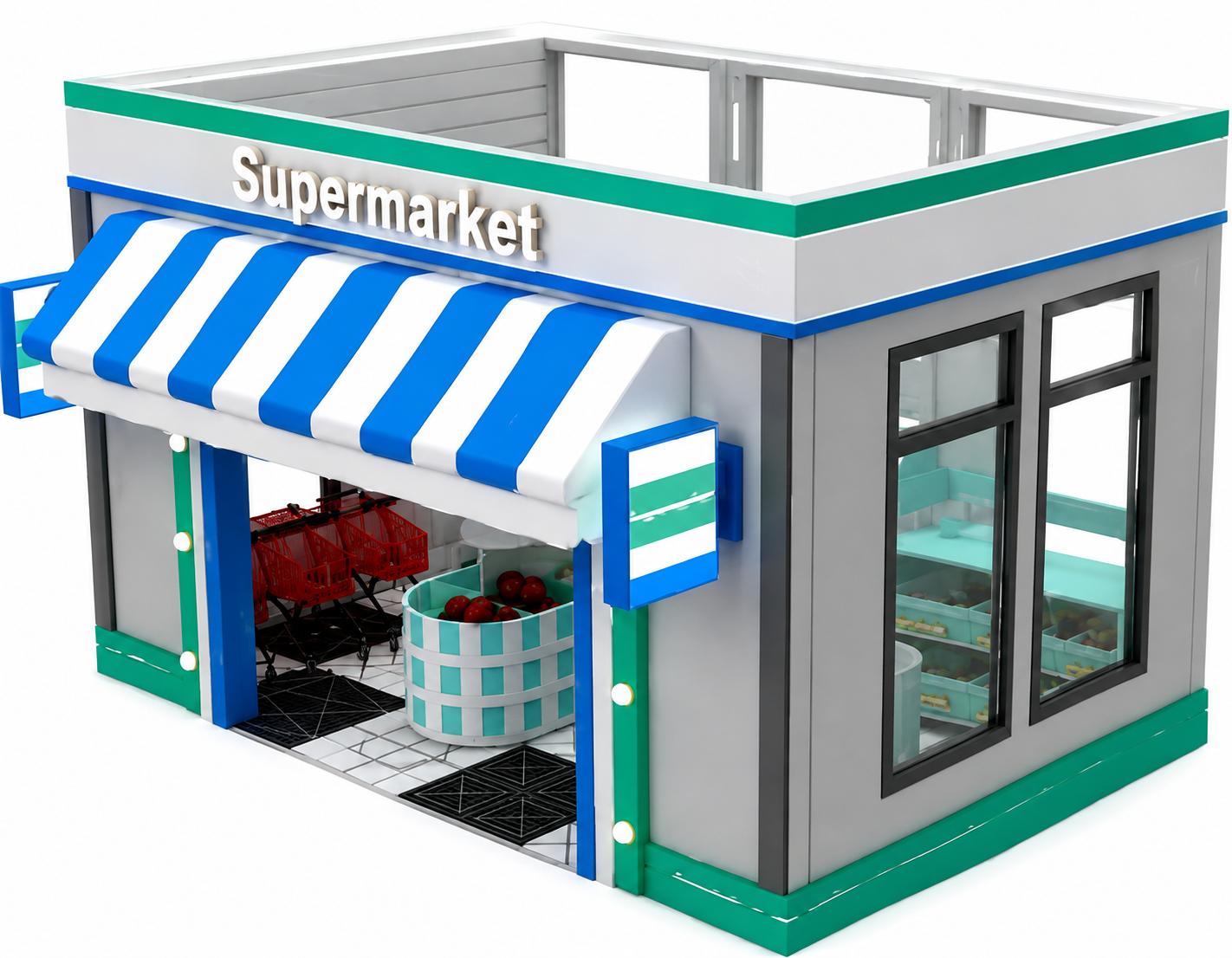
By function, we identify:
Within the project file, we retain approved component descriptions linked to the design revision. For substitutions, we request assessment rather than assuming "equivalent" is self-evident.
During document assessment, we distinguish buyer-specified records from supplier descriptions.
- Which requirement does this component answer?
- Where is it used in the playground?
- How can it be accessed, cleaned or replaced?
- Which drawing or list identifies the approved version?
- What remains subject to local confirmation?
Control the Details Buyers Actually Inspect
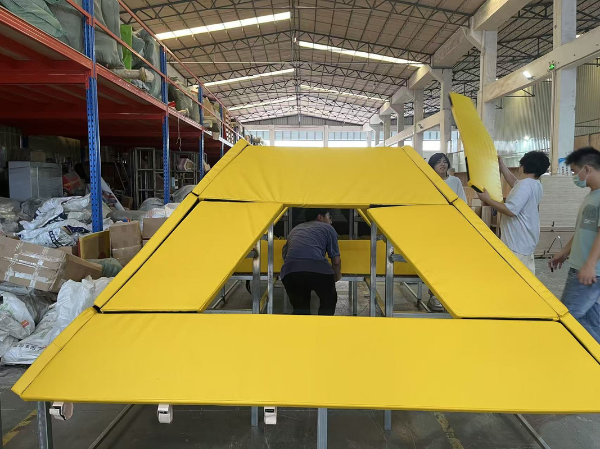
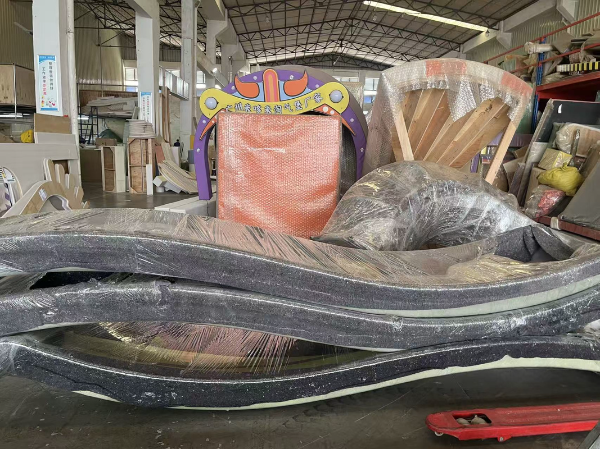
Toplay's manufacturing equipment supports tube cutting and sawing, punching, drilling, bending, press-brake operations, MIG, TIG and CO² welding, robotic welding, grinding and polishing. Equipment availability does not replace project acceptance, so the assessment remains attached to approved drawings and visible workmanship details.
Request a detailed drawing review when a visible finish, joint or transition raises a concern. Keep the observed issue tied to the approved part and location.
No borrowed proof: this page does not claim an accredited laboratory, a certification owned by another entity, a defect rate or a universal shipment-test protocol.
PHASE 01
Cut and formed parts
Before the set moves forward, we compare part identity, intended location and obvious geometry with the approved project information.
PHASE 02
Joined assemblies
When a visible concern appears, we route the weld, connection or finish to the responsible production review instead of hiding it inside a generic quality statement.
PHASE 03
Contact and transition areas
For buyer review, we give priority to accessible edges, transitions, covers, seams, fasteners and interfaces between activity zones.
ROOM SPECIFICATIONS
Freeze the Room Conditions That Can Force a Redesign
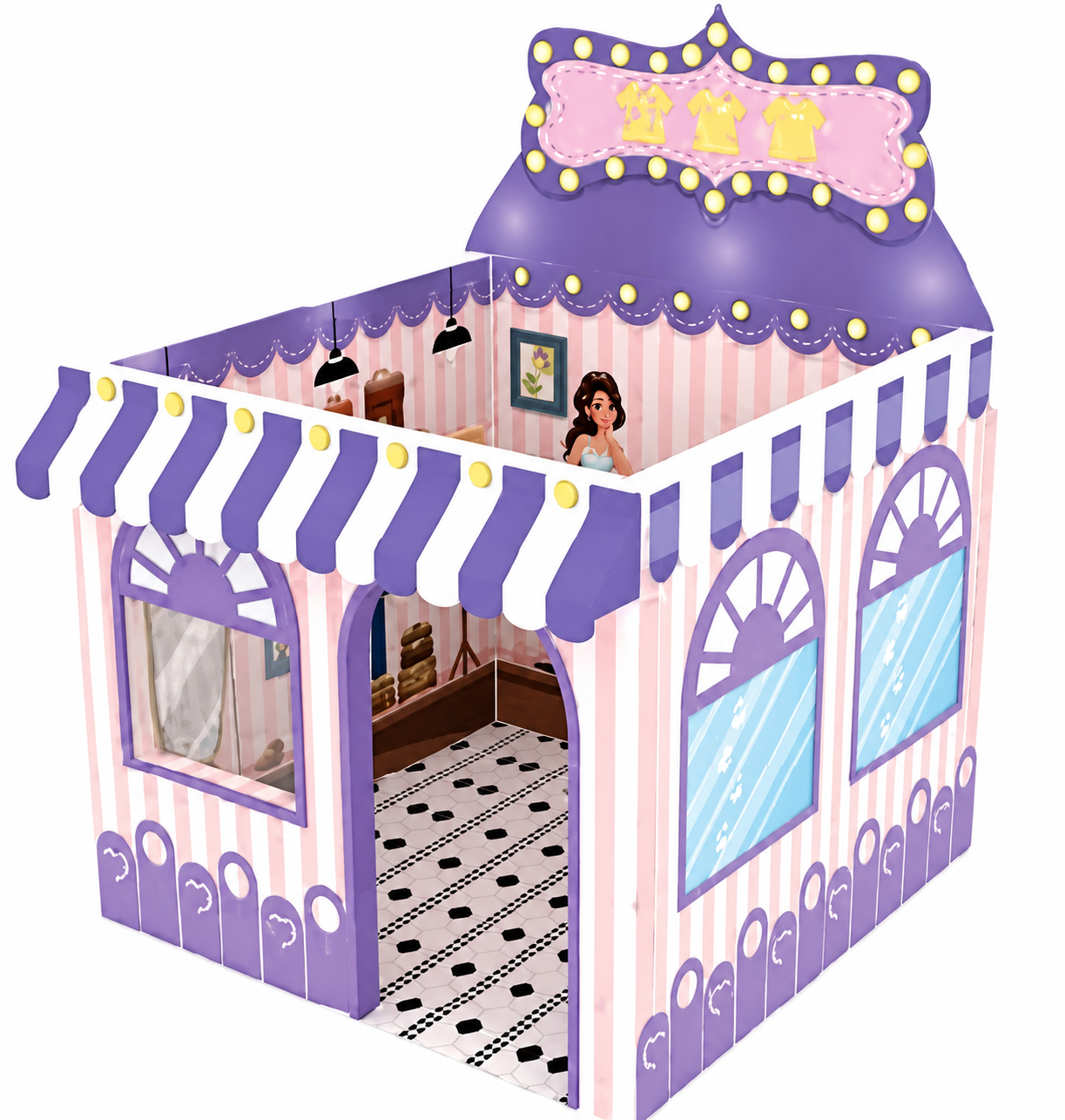
An effective floor plan extends beyond length and width. Record clear height, columns, entrances, exits, accessible circulation, floor build-up, building services, sightlines, service access and the component-delivery path.
Input group
Buyer supplies
Project file records
Acceptance decision
Room geometry
Dimensioned CAD, DWG or clear sketch
Revision and critical dimensions
Layout fits the approved envelope
Building interfaces
Columns, ceiling services, sprinklers and heating or cooling zones
Known conflicts and local owners
Interfaces resolved or listed as open
Access and egress
Entrances, emergency exits and circulation
Equipment relationship to venue routes
Local team accepts the coordinated layout
User and operation
Ages, supervision and capacity assumptions
Design basis and exclusions
Buyer confirms intended operating model
Written approval should specify the drawing revision, inclusions, exclusions and unresolved issues. A floor plan that leaves a building-interface gap can induce mismatch risk and delay work already scheduled within a 45–75 day production window. We work from CAD or DWG floor plans, or a dimensioned site sketch with clear height, entrances and fire exits. An NDA is signed on request before detailed project information is exchanged. Changes after approval should be evaluated for design, cost, timing, packing and installation impact.
Quotation, Production and Export Terms You Can Compare
Procurement teams need a comparable scope before they compare prices. We organize the quotation around the approved project basis, included equipment, buyer or local-team labor, installation scope, trade term, documentation and known exclusions.
Item
Working parameter
What the buyer should confirm
Quotation response
Within 3 working days
Starts after usable project inputs are received
Production window
45–75 days
Starts after design approval and deposit; project scope affects timing
Payment structure
30% T/T deposit; 70% balance before shipment
Order-specific terms and release documents.
Online support
24/7 channel availability
Not a guaranteed resolution time
Company established
2014
Guangzhou Toplay Amusement Equipment Co., Ltd.
Export reach
40+ countries
Client-confirmed company-level fact
Global sales share
Over 90%
Client-confirmed product sales share
Average annual growth
Over 20%
Client-confirmed company-level statement
Trade terms
We quote EXW, FOB, CFR and CIF; DDP can be quoted on request for the stated project destination.
Freight
Freight is kept separate from the production window unless the written quotation states otherwise. Route, packing volume and destination affect the shipping basis.
Export documents
The normal document set can include a commercial invoice, packing list, bill of lading and certificate of origin, with order-specific requirements confirmed before shipment.
Samples
Paid sample orders for individual play parts are available. The quotation controls the sample scope, shipping, approval use and whether it represents a final project assembly.
Make Balance-Payment and Shipment Release Reviewable
Quality assurance should tell the buyer what can be reviewed against the approved order.
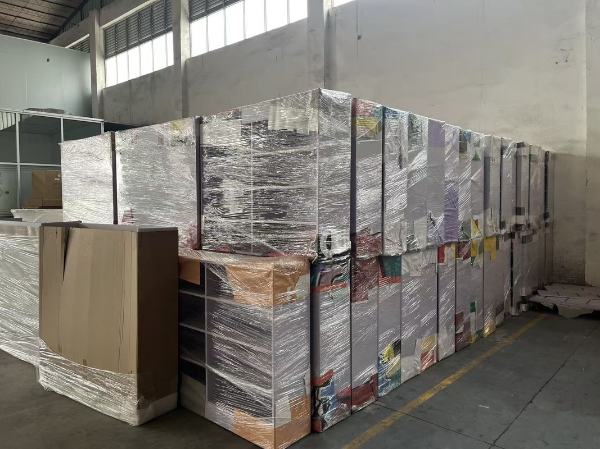
The Pre-Shipment Release Matrix separates project records so a design approval, visible review item, open correction, packing identity and export document are not collapsed into one "quality approved" designation.
Approved design
- Review question
- Is the production reference the accepted revision?
- Possible record
- Drawing register or approval record
- Status
- Accepted, open or changed
Component scope
- Review question
- Are key groups identifiable against the order?
- Possible record
- Component list and location reference
- Status
- Matched or clarification needed
Visible review
- Review question
- What can the buyer review before shipment?
- Possible record
- Order-specific images, video or report
- Status
- Available, reviewed or not in scope
Corrections
- Review question
- Which concerns remain open and who owns closure?
- Possible record
- Issue list with evidence
- Status
- Open, corrected or accepted
Packing identity
- Review question
- Can packed groups be connected to the project?
- Possible record
- Packing references and list
- Status
- Ready or incomplete
Shipment file
- Review question
- Are required order documents ready?
- Possible record
- Commercial and logistics documents
- Status
- Ready or pending
This matrix is an approval framework, not an independent certificate or a claim that every possible test is included in every order. A generic high-quality label is not a substitute for required evidence, hold points and release responsibility in the signed project scope.
Two different decisions: the mistake is treating a visible review as automatic shipment authority. The right call is to close or formally disposition open items before the buyer records its release decision.
Procurement principle: drawings, examination, fabrication, technical documentation, packaging and marking are distinct control subjects in formal contract-quality frameworks. Keeping them separate makes review clearer without transferring that framework into a Didi Land certification claim.
Move From Site Input to Installation Handover Without Losing Decisions
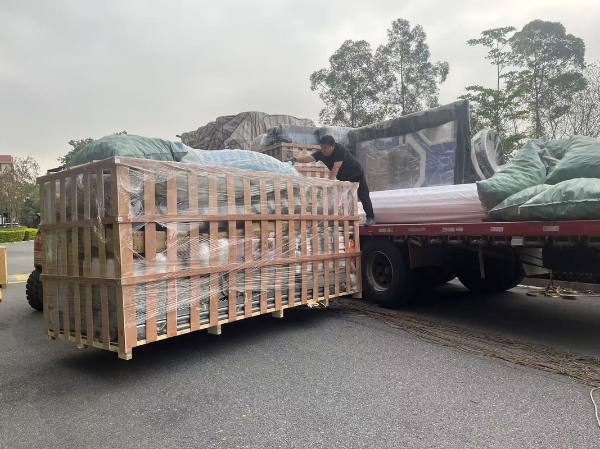
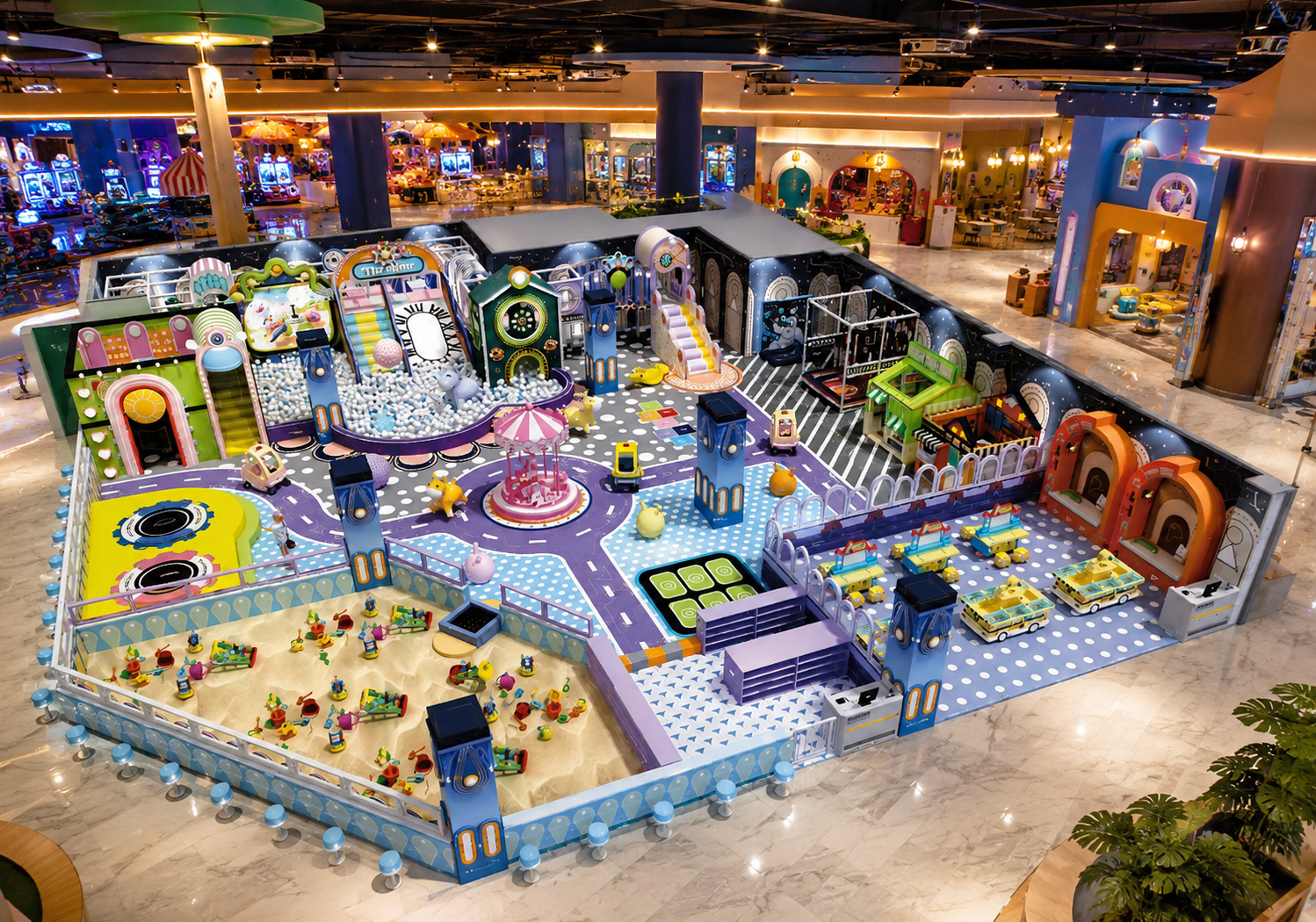
Turnkey service works when each handoff has an owner and a usable record. We connect commercial scope, design approval, manufacturing review, packing, installation planning and operator handover while keeping local responsibilities visible.
A missing approval or site-readiness gap can delay a workflow already built around a 45–75 day production plan. Because handoffs cross buyer, supplier and local teams, continuity depends on a named owner and current record.
STEP 01 Brief and classify
We receive the site information, destination, ages, venue model, target activities and known local requirements.
STEP 02 Develop and review
We organize the concept around the approved envelope and record buyer comments, exclusions and open interfaces.
STEP 03 Approve the basis
We use a named revision and written scope to establish the production reference after commercial terms are agreed.
STEP 04 Produce and prepare
We coordinate the approved component scope, visible review items, corrections, packing references and planned documents.
STEP 05 Install and hand over
We align installation responsibilities, site readiness, completion observations and the information transferred to the operator.
STEP 06 Support operation
We keep a 24/7 online support channel available and route requests using the project and component information supplied.
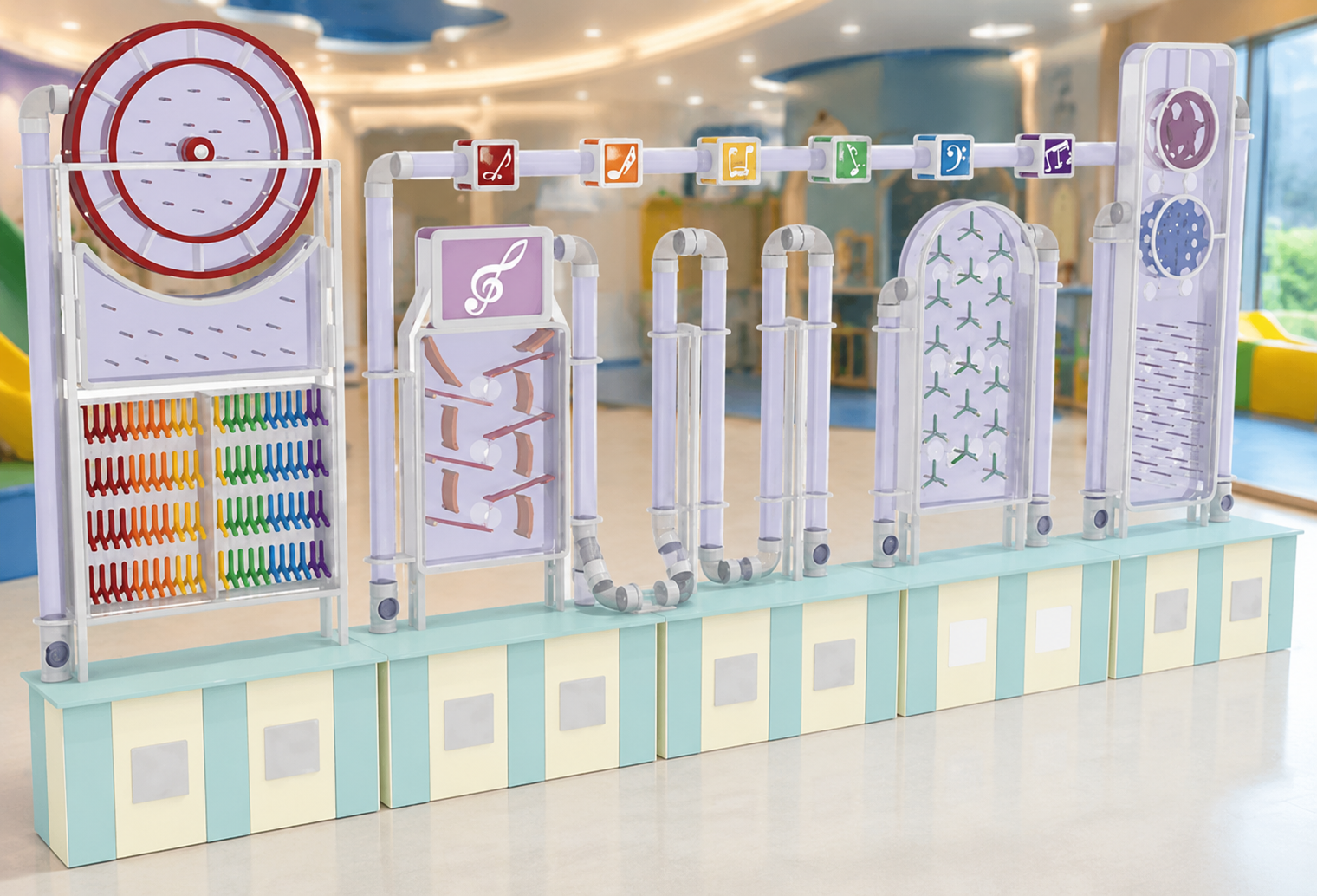
Handover & Preparation Checklist
- Installation preparation should be verified before people or materials arrive. Site access, floor condition, utilities, storage, working hours, local permits, lifting or access equipment and coordination with other contractors should be included in the handover plan where relevant.
- Confirm which party receives, unloads, stores and protects the shipment at the venue.
- Confirm whether installers have the approved layout, packing references and current issue list.
- Record completion observations and unresolved building or equipment interfaces before opening.
- Transfer agreed operating, inspection and maintenance information to the responsible venue team.
- Keep the project reference available for later component identification and service communication.
A Guangzhou Manufacturer Built for Custom Commercial Projects
Guangzhou Toplay Amusement Equipment Co., Ltd. was established in 2014 and specializes in customizable indoor children's playground equipment. The company serves amusement and venue investors in more than 40 countries, including France, India, Sri Lanka, South Africa, Mexico, Malaysia and Poland.
The company actively participates in international fairs and supports custom project development for different commercial environments. These company metrics establish operating context, but they are not a substitute for project-specific drawings, inspection records, certificates or completed-case evidence.
2014
Established
40+
Export countries
>90%
Products sold globally
>20%
Average annual growth
Retail and entertainment
A commercial indoor playground business may add birthday parties and themed experiences, but equipment supply alone cannot make a venue profitable.
→Learning and family venues
Teams preparing to start an indoor playground may be planning a mall, kindergarten, family restaurant, hotel or early-learning venue.
→Community activity spaces
Community recreation areas and other managed children's activity venues with a defined operator.
→Send a Complete Request Before Choosing the Remedy
Toplay offers 24/7 online support, free consultation and after-sales support. The support channel is not a substitute for a complete request, contractual warranty scope or agreed remedy.

The After-Sales Request Pack
- Buyer company, venue and project or order reference
- Affected component, exact location and quantity
- Observed condition and date first noticed
- Clear pictures or video and relevant labels or packing reference
- Operating impact, access condition and temporary control
- Requested outcome and local contact details
Route the decision
- Identify the project and affected item.
- Choose whether to operate, limit or stop according to the operator's safety procedure.
- Confirm the contract and warranty terms that apply.
- Agree the remedy owner, evidence and closure record.
Not the right starting point: if the venue cannot identify the project, location or affected component, begin with record recovery and a documented inspection. Do not use an online message alone as authority to keep questionable equipment in service.
Warranty duration, notice period, correction or replacement, transport responsibility and escalation are separate contractual questions. The approved order documents control those terms, while the request pack gives the support team enough information to evaluate the next step.
⚠️ Safety-critical concern
The operator applies its safety procedure and controls access while the condition is assessed. A support reply is not a substitute for the venue's immediate operating responsibility.
📦 Missing or damaged item
Use the order, packing and location references to establish what is affected. The contract and evidence then guide responsibility, replacement scope and logistics.
Safety, Quality & After-Sales Tools
Project Assurance Brief Completeness Score
Evaluate your project specifications to ensure all critical safety and operational requirements are documented before starting.
Access Tool →
Pre Shipment Release Matrix Builder
Construct a customized inspection checklist to verify equipment quality, quantity, and packaging prior to dispatch.
Access Tool →
After Sales Request Pack Generator
Generate a standardized support request package to quickly resolve maintenance needs and secure replacement parts.
Access Tool →
FAQ: Indoor Playground Project Assurance
Which safety standard applies to my indoor playground?
The answer depends on the destination, equipment class, intended ages and local authority or consultant requirements. We record those inputs before naming an applicable requirement set, and the buyer's local team confirms the final legal and approval route.
Does Toplay claim one certificate covers every project?
No. This page does not claim universal certification, and it does not transfer certificates from another company or differently named entity. Project documentation must match the legal entity, product scope, destination and order involved.
What site information is needed for design review?
Please provide a CAD or DWG file, or a dimensioned sketch, showing room size, clear height, columns, entrances and fire exits. Add known floor, sprinkler, heating or cooling, lighting, access-route, supervision and component-delivery constraints.
Can the equipment be customized?
Yes, Toplay provides customizable indoor playground equipment for age-appropriate commercial venues. Customization stays inside the approved site envelope, intended-use basis, commercial scope and destination requirements.
How quickly can I receive a quotation?
The working target is within 3 working days after usable project inputs are received. Missing dimensions, destination, scope or logistics information may need clarification before a comparable quotation can be completed.
What is the production lead time?
The working production window is 45–75 days after design approval and deposit. Final timing depends on the approved project scope and is stated in the order record; freight time is separate unless the quotation says otherwise.
What payment and shipping terms are available?
The working payment structure is 30% T/T deposit and 70% balance before shipment. We quote EXW, FOB, CFR and CIF; DDP can be quoted on request for the stated destination.
What can buyers review before shipment?
The order can define review items for the approved design, component scope, visible workmanship, open corrections, packing identity and export-document readiness. The exact evidence and hold points must be written into the approved project scope.
Does 24/7 support guarantee immediate resolution?
No. It means the online support channel is available around the clock. Evaluation and resolution still depend on request completeness, safety impact, component identification, contract terms, remedy availability, logistics and the agreed decision owner.
What should an after-sales request include?
Include the buyer, venue, project or order reference, affected component and location, quantity, observed condition, operating impact, clear evidence and requested outcome. This information helps route the case without turning a support message into an unsupported operating decision.



